When Should Your Child Have Their First Orthodontic Evaluation?
Many parents in Sector 10A wait until their child's permanent teeth have mostly come in before thinking about braces. In reality, orthodontic evaluation should start much earlier. Catching certain issues while a child is still growing can make treatment simpler and, in some cases, avoid more complex correction later.
The Right Age for the First Orthodontic Check
The general guideline followed by dentists and orthodontists is that a child should have their first orthodontic evaluation by age 7. At this age, a mix of baby and permanent teeth is usually present, which gives the dentist enough information to spot developing problems with jaw growth or tooth alignment.
This does not mean treatment starts at 7. It means the dentist can observe how the bite and jaws are developing and decide whether to watch, wait, or begin early intervention.
Why Age 7 Matters
- Front permanent teeth and first permanent molars have usually erupted by this age.
- Jaw growth is still active, making certain corrections easier.
- Problems like crossbite or crowding are easier to identify before they worsen.
What Is Interceptive (Early) Treatment?
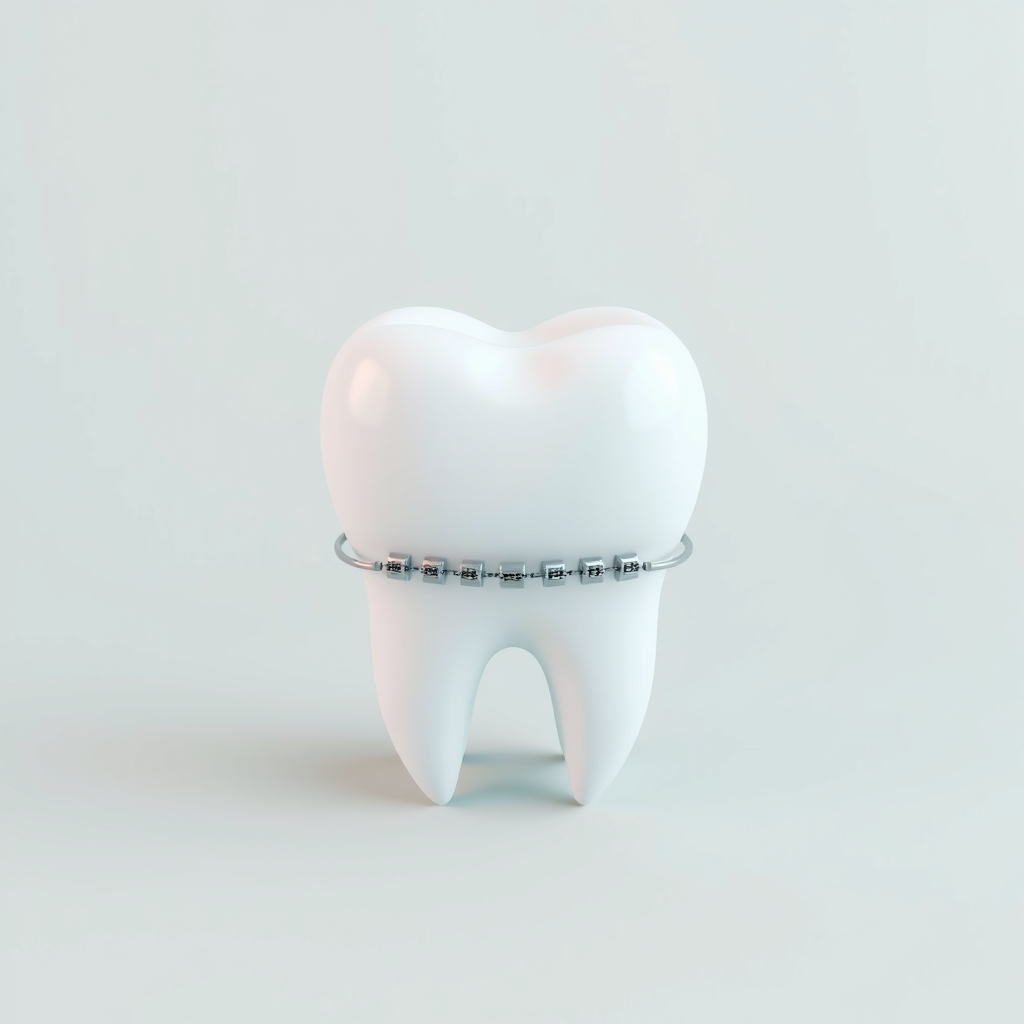
Interceptive treatment refers to limited orthodontic care given while a child still has some baby teeth, usually between ages 7 and 10. The goal is not to achieve a final, perfect smile but to guide jaw growth, create space for permanent teeth, or correct a specific bite problem while the child's bones are still developing.
Signs Your Child May Benefit from Early Treatment
- Difficulty biting or chewing food comfortably
- Teeth that do not meet properly, such as an underbite or crossbite
- Jaws that shift or make sounds when opening and closing the mouth
- Prolonged thumb sucking or pacifier use past age 4 to 5
- Crowded, overlapping, or very early or late loss of baby teeth
- Speech difficulties linked to tooth position
- Front teeth that protrude noticeably or do not cover the lower teeth
If you notice any of these signs, it is worth scheduling an evaluation rather than waiting for the next routine dental visit.
When It Is Better to Wait for Permanent Teeth
Not every child needs early treatment. Many alignment issues are mild and resolve naturally as permanent teeth come in and the jaws finish growing. For straightforward crowding or minor spacing without an underlying bite or jaw problem, dentists often recommend monitoring the child through routine visits and starting comprehensive orthodontic treatment closer to ages 11 to 13, once most permanent teeth have erupted.
Treating too early, when it is not needed, can mean a child spends more total time in appliances without added benefit. This is why the first evaluation is about assessment, not automatic treatment.
Two-Phase Treatment Explained
| Phase | Typical Age | Purpose |
|---|---|---|
| Phase 1 (Interceptive) | 7 to 10 years | Guide jaw growth, create space, correct specific bite problems |
| Resting Period | Varies | Remaining permanent teeth erupt naturally, monitored periodically |
| Phase 2 (Comprehensive) | 11 to 14 years | Full braces or aligners to finalise alignment and bite |
Some children only need Phase 2, while others benefit from both phases. This is decided case by case based on the evaluation.
What Happens During an Orthodontic Evaluation
At Singal's Cosmodentz Dental Clinic, an orthodontic evaluation typically includes a visual examination of tooth and jaw alignment, a review of how the child bites and chews, and X-rays if needed to check the position of unerupted permanent teeth. Based on this, the dentist will explain whether treatment is needed now, later, or not at all.
Cost Considerations for Parents
Costs vary depending on whether a child needs a simple space maintainer, a limited interceptive appliance, or full comprehensive braces later. In Sector 10A, Gurugram, the typical range for early interceptive appliances is generally lower than comprehensive braces, since treatment is more limited in scope and duration. A clear cost estimate can only be given after an in-person evaluation, since every child's needs are different.
A Practical Takeaway for Parents
You do not need to wait for a problem to become obvious to bring your child in for a check. A simple evaluation around age 7 gives your dentist the chance to plan ahead, whether that means early action or simply keeping an eye on things as your child grows.
Have questions about your teeth?
Singal's Cosmodentz Dental Clinic · Sector 10A, Gurugram
Frequently asked questions
Does an early orthodontic evaluation mean my child will need braces right away?
No. Most children who are evaluated early do not need immediate treatment. The visit simply lets the dentist monitor growth and plan the right time to start, if needed at all.
Can early treatment reduce the cost of braces later?
Sometimes. Correcting a growth problem early can make second-phase treatment shorter and simpler, but not every child needs two phases. Your dentist will explain if it applies to your child.
What if I missed the age 7 checkpoint and my child is already 10 or 11?
It is not too late. Bring your child in for an evaluation now. The dentist will assess current development and recommend next steps based on where they are.
Is thumb sucking really connected to orthodontic problems?
Yes, prolonged thumb or pacifier sucking past age 4 to 5 can push front teeth forward and narrow the upper jaw, which may need correction later.
Treatment costs mentioned on this page are indicative ranges for the Sector 10A, Gurugram region. Your exact cost depends on your case and will be confirmed after a clinical examination at the clinic.