Early Tooth Decay: Warning Signs, Filling Materials and Treatment Costs
A small dark spot on a tooth or a mild twinge while eating something sweet is often the first sign of tooth decay. Many patients from Sector 10A, Gurugram visit us only after the discomfort becomes hard to ignore, but catching decay early usually means a simpler, more affordable treatment. Here is what you should know about spotting cavities early, the filling options available, and what treatment typically costs.
How to Spot Early Tooth Decay
Tooth decay develops gradually, and the early signs are often subtle. Watch out for the following:
- A white or chalky spot on the tooth surface, which can be the earliest visible sign
- A dark brown or black spot, especially between teeth or in the grooves of back teeth
- Mild sensitivity to sweet, hot, or cold food and drinks
- A rough or uneven feeling when you run your tongue over the tooth
- Food getting stuck in the same spot repeatedly
- Occasional dull ache, especially after eating
If any of these sound familiar, it is worth getting a dental check-up rather than waiting for pain to set in. Early decay is far easier and less expensive to treat than a deep cavity that has reached the nerve.
How Cavities Are Diagnosed
During your visit, the dentist will examine your teeth visually and may use a dental probe to check for soft spots. An X-ray is often recommended to see decay that is not visible to the eye, particularly between teeth or under old fillings. This helps determine how deep the decay is and whether a simple filling will be enough.
Types of Filling Materials
Once decay is confirmed, the dentist removes the damaged tooth structure and fills the space to restore the tooth's shape and function. Several filling materials are available, each with its own benefits.
Composite Resin (Tooth-Coloured Fillings)
These are made of a tooth-coloured resin material that bonds directly to the tooth. They are popular for front and back teeth because they blend in naturally with your smile. Composite fillings require a dry field during placement and are a good option for small to medium-sized cavities.
Glass Ionomer Cement (GIC)
GIC releases fluoride over time, which can help protect the tooth from further decay. It is often used in children's teeth, for fillings near the gum line, or as a temporary or intermediate filling material.
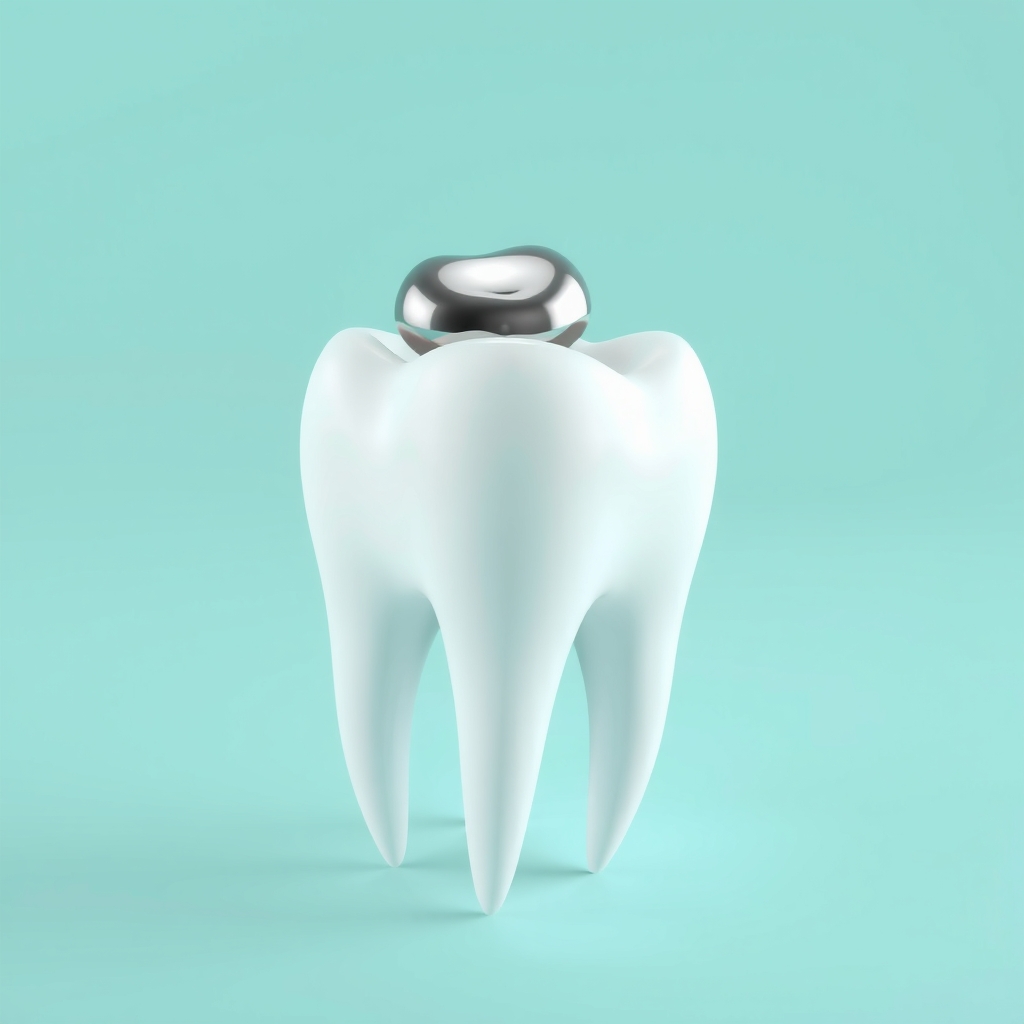
Dental Amalgam (Silver Fillings)
This traditional filling material is a mix of metals and is known for its strength and durability, especially in back teeth that handle heavy chewing forces. Its silver colour makes it less popular for visible front teeth, but it remains a reliable, cost-effective option.
Ceramic and Inlay/Onlay Restorations
For larger cavities where a simple filling may not be strong enough, ceramic inlays or onlays offer a more durable, tooth-coloured alternative. These are custom-made and cemented into place, usually over two visits.
What Happens During a Filling Procedure
- The area is numbed with local anesthesia if needed
- Decayed tooth structure is carefully removed
- The cavity is cleaned and prepared
- The chosen filling material is placed and shaped
- The filling is hardened, either naturally or with a curing light for composite
- Your bite is checked and adjusted for comfort
Most simple fillings are completed in a single visit lasting 20 to 40 minutes.
Typical Cost of Cavity Treatment in Gurugram
Costs vary depending on the size of the cavity, the filling material chosen, and the tooth's location. Below is a general guide for patients in Sector 10A, Gurugram.
| Filling Type | Typical Range (Per Tooth) |
|---|---|
| Amalgam (silver) filling | Rs 800 to Rs 2,000 |
| Glass ionomer cement (GIC) | Rs 1,000 to Rs 2,500 |
| Composite (tooth-coloured) filling | Rs 1,500 to Rs 4,000 |
| Ceramic inlay or onlay | Rs 6,000 to Rs 15,000 |
These are typical ranges only, and the exact cost depends on the depth of decay, number of teeth involved, and any additional treatment needed. A dentist can give you an accurate estimate after an examination.
Preventing Future Cavities
Brushing twice daily with a fluoride toothpaste, flossing regularly, cutting down on frequent sugary snacks, and visiting the dentist for a check-up every six months can go a long way in preventing new cavities and catching any decay while it is still small.
Have questions about your teeth?
Singal's Cosmodentz Dental Clinic · Sector 10A, Gurugram
Frequently asked questions
Can a cavity heal on its own without a filling?
Very early decay that has only affected the outer enamel surface can sometimes be reversed with fluoride treatment and better oral hygiene. Once decay reaches the deeper layer called dentin, it cannot heal on its own and needs a filling to stop it from spreading.
Does getting a filling hurt?
Most fillings are done under local anesthesia, so you should not feel pain during the procedure. Some mild sensitivity to hot, cold, or pressure for a few days afterward is normal and usually settles on its own.
How long do dental fillings last?
It depends on the material and location of the filling, along with your oral hygiene habits. Composite fillings often last 5 to 8 years, while amalgam and glass ionomer can last longer with good care, though all fillings may eventually need replacement.
How do I know if I need a filling or a root canal?
If decay is limited to the tooth structure and has not reached the nerve, a filling is usually enough. If you have severe pain, especially at night, or swelling, the decay may have reached the nerve, and a root canal could be needed. A dental exam and X-ray will confirm this.
Treatment costs mentioned on this page are indicative ranges for the Sector 10A, Gurugram region. Your exact cost depends on your case and will be confirmed after a clinical examination at the clinic.