Is Chewing Gum Good or Bad for Teeth?
Walk into any pharmacy near Sector 10A, Gurugram and you will see rows of sugar-free gum promising fresher breath and healthier teeth. But does chewing gum actually help your dental health, or is it just clever marketing? The honest answer is that it depends on the type of gum, how often you chew it, and what habits you already have in place.
How sugar-free gum can genuinely help
Chewing stimulates saliva production, and saliva is one of your mouth's best natural defences. It washes away leftover food particles, neutralises acids produced by bacteria after eating, and helps redeposit minerals like calcium and phosphate back into tooth enamel. This process is called remineralisation.
When you chew sugar-free gum for about 10 to 20 minutes after a meal, especially when brushing is not immediately possible, you give your mouth a helpful acid-neutralising boost. This is particularly useful after lunch at work or school, when many people in Sector 10A simply cannot brush right away.
Why xylitol gum gets special mention
Xylitol is a natural sugar substitute that tastes sweet but cannot be used as fuel by the bacteria that cause tooth decay, mainly Streptococcus mutans. Over time, regular xylitol use may reduce the number of these bacteria in the mouth. Several dental associations recognise xylitol gum as a reasonable addition to a cavity-prevention routine, though it works best as a supplement to brushing and flossing, not a substitute.
When chewing gum can actually harm your teeth
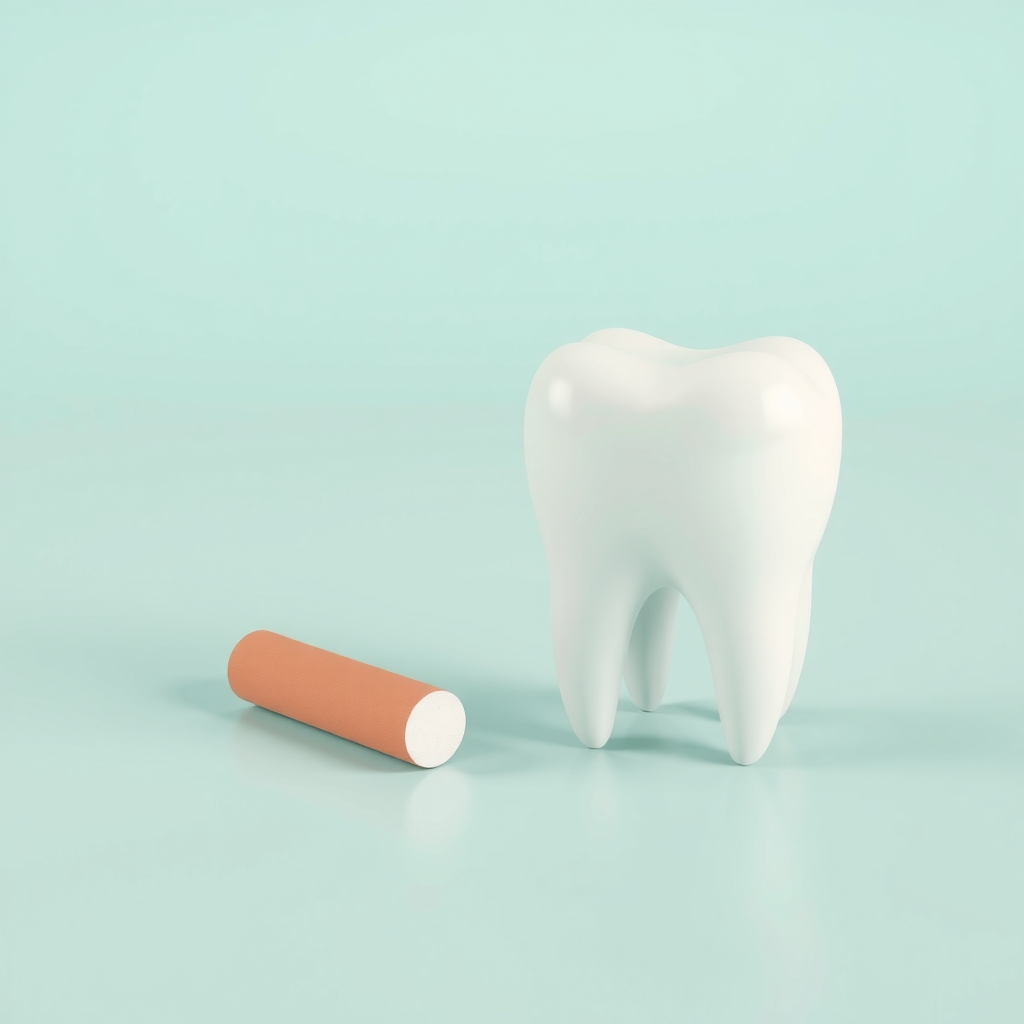
Not all gum is helpful, and even good gum can cause problems if used carelessly.
- Sugared gum feeds the bacteria that produce tooth-damaging acid, directly increasing cavity risk, especially with frequent use throughout the day.
- Excessive chewing for hours at a time can strain the jaw joint, leading to soreness, clicking, or headaches, particularly in people prone to jaw tension or teeth grinding.
- Chewing right after acidic food or drink (like citrus fruit or soft drinks) before enamel has had time to reharden can increase surface wear.
- Gum stuck to braces or dental work can dislodge brackets, wires, or loosen crowns and fillings if it is sticky or chewed too vigorously.
- Using gum as a breath freshener instead of brushing can create a false sense of clean teeth while plaque continues to build up along the gumline.
Who should be more cautious
Patients with TMJ (jaw joint) issues, those who clench or grind their teeth, and anyone wearing braces, retainers, or recent dental restorations should check with their dentist before making gum a daily habit. At our Sector 10A clinic, we often advise these patients to limit gum to occasional use or avoid it altogether.
| Gum type | Effect on teeth |
|---|---|
| Sugar-free gum (general) | Can help neutralise acid and boost saliva flow |
| Xylitol gum | May help reduce decay-causing bacteria over time |
| Sugared gum | Increases cavity risk with frequent chewing |
| Sticky or hard gum with braces | Risk of damage to brackets and wires |
Dentist-approved tips for chewing gum habits
- Choose sugar-free gum, and look for xylitol as the primary sweetener if possible.
- Chew for 10 to 20 minutes after meals, not continuously through the day.
- Limit yourself to two or three pieces daily to avoid jaw strain.
- Still brush twice a day and floss once daily. Gum supports oral hygiene, it does not replace it.
- Avoid gum if you have braces, recent dental work, or jaw joint discomfort, unless your dentist says otherwise.
- Wait at least 30 minutes after consuming acidic food or drink before chewing gum.
Chewing gum, when chosen and used sensibly, can be a small but useful part of your daily oral care routine. It is never a replacement for brushing, flossing, and regular dental checkups, but as a between-meal habit for people in Sector 10A with busy schedules, sugar-free and xylitol gum can genuinely support a healthier mouth.
If you have concerns about jaw discomfort, dental work, or want personalised advice on oral hygiene habits, the team at Singal's Cosmodentz Dental Clinic is happy to guide you based on your specific dental history.
Have questions about your teeth?
Singal's Cosmodentz Dental Clinic · Sector 10A, Gurugram
Frequently asked questions
Does sugar-free gum really prevent cavities?
It can help reduce cavity risk when used alongside brushing and flossing, mainly by boosting saliva flow. It is a helpful extra habit, not a replacement for daily oral hygiene.
Is xylitol gum better than regular sugar-free gum?
Xylitol does not feed the bacteria that cause tooth decay, unlike some other sweeteners, so many dentists consider it a slightly better choice. Both are far better than sugared gum.
How many pieces of gum can I chew in a day?
Most people are fine chewing two to three pieces a day, ideally after meals. Chewing for hours at a stretch is what tends to cause jaw strain, not occasional gum use.
Can chewing gum replace brushing my teeth?
No. Gum can freshen breath and support saliva flow between meals, but it cannot remove plaque from tooth surfaces or along the gumline the way brushing and flossing do.
Treatment costs mentioned on this page are indicative ranges for the Sector 10A, Gurugram region. Your exact cost depends on your case and will be confirmed after a clinical examination at the clinic.