Gum Boil (Parulis): Causes, Symptoms, and Treatment
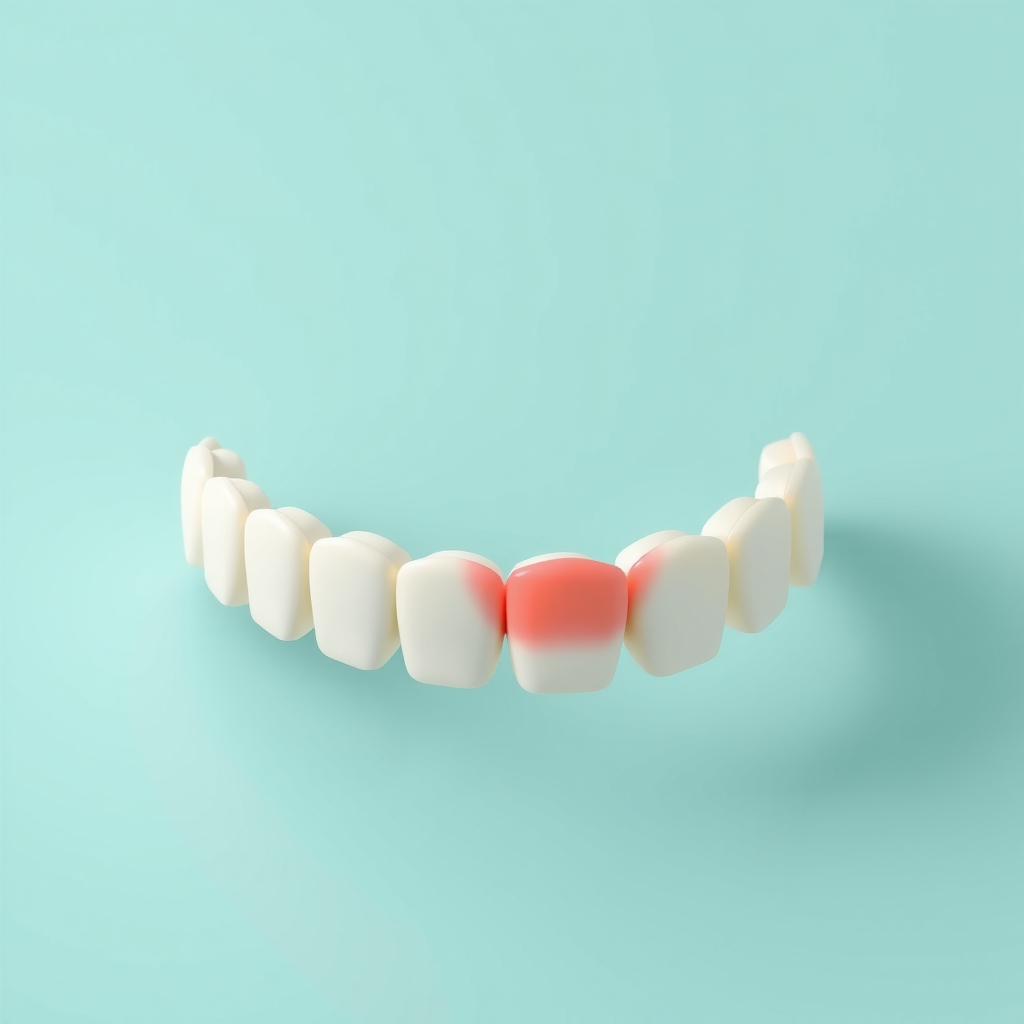
Finding a small bump on your gums, sometimes called a gum boil or parulis, can be alarming. It is a common sign that something is going on beneath the surface, usually a low grade infection. Understanding what it is and how it differs from a tooth abscess can help you decide how quickly to seek care.
What Is a Gum Boil (Parulis)?
A parulis is a small, pimple-like swelling that forms on the gum tissue. It develops when infection from a tooth or the surrounding bone tries to drain, and the body creates a channel called a sinus tract that opens onto the gum surface. The bump you see is the opening of that tract, often with a yellowish or whitish tip.
It can appear suddenly, may ooze pus or fluid occasionally, and can shrink and reappear over time if the underlying cause is not treated.
Common Causes
- A tooth with a dead or dying nerve due to deep decay or old trauma
- A failed or leaking root canal treatment
- A cracked tooth that has allowed bacteria to reach the pulp
- Advanced gum disease with a deep pocket trapping infection
- Food or foreign debris lodged under the gum line
Gum Boil vs. Tooth Abscess: What Is the Difference?
These two terms are closely related but not exactly the same. A tooth abscess is the actual pocket of infection and pus, usually at the root tip or within the gum pocket. A gum boil (parulis) is the visible drainage point on the gum where that infection is trying to escape.
In simple terms, the abscess is the problem happening below the surface, and the parulis is often a visible clue on the surface. Not every abscess produces a visible boil, and some abscesses cause more swelling, pain, and fever instead.
| Feature | Gum Boil (Parulis) | Tooth Abscess |
|---|---|---|
| Appearance | Small pimple-like bump on gum | Swelling, may extend to face or jaw |
| Pain level | Often mild or minimal | Can be moderate to severe, throbbing |
| Drainage | May drain pus intermittently | Pus trapped internally unless it drains |
| Fever | Uncommon | Can occur with larger infections |
When to See a Dentist
Any bump on the gums, whether painful or not, should be checked by a dentist. Since a parulis signals an active infection source, delaying treatment can allow the infection to spread to the jawbone or nearby teeth. Seek prompt care if you notice swelling of the face, fever, difficulty swallowing, or rapidly increasing pain, as these can indicate a more serious spreading infection.
How a Gum Boil Is Diagnosed
At the clinic, diagnosis usually involves a visual examination of the gums and teeth, checking for sensitivity or tenderness, and an X-ray to identify the source of infection. The X-ray helps confirm whether the issue stems from the tooth root, a cracked tooth, or gum disease, since treatment differs based on the cause.
Treatment Options for a Gum Boil
Root Canal Treatment
If the infection originates from a dead or infected tooth nerve, root canal treatment removes the infected pulp tissue, cleans the canal, and seals it. This addresses the source and allows the parulis to heal naturally.
Retreatment of a Previous Root Canal
If an old root canal has failed or developed a new leak, retreatment or, in some cases, a minor surgical procedure may be needed to clear the infection.
Deep Cleaning for Gum Disease
When the cause is a deep gum pocket rather than the tooth nerve, scaling and root planing (a thorough deep cleaning) can remove bacteria and allow the gum to heal.
Tooth Extraction
If a tooth is too damaged or cracked to save, extraction may be recommended to fully remove the source of infection.
Antibiotics
Antibiotics may be prescribed in certain situations to control spreading infection, but they are generally used alongside definitive dental treatment rather than as a standalone fix, since the source of infection still needs to be addressed.
Cost Considerations
Treatment cost depends on the underlying cause and complexity. In Sector 10A, Gurugram, the typical range for root canal treatment, deep cleaning, or extraction varies based on the tooth involved and diagnostic needs. A clinical examination and X-ray are needed to give an accurate estimate for your specific case.
Preventing Future Gum Boils
- Maintain consistent brushing and flossing to limit bacterial buildup
- Address cavities and cracked teeth early before infection sets in
- Keep up with regular dental check-ups and cleanings
- Do not ignore recurring bumps, discomfort, or taste of drainage in the mouth
A gum boil is your body's way of signaling an infection that needs attention. With timely diagnosis and the right treatment, most cases resolve well and prevent further complications.
Have questions about your teeth?
Singal's Cosmodentz Dental Clinic · Sector 10A, Gurugram
Frequently asked questions
Can a gum boil go away on its own without treatment?
It may shrink or drain temporarily, but the underlying infection usually remains. Without treating the source, it tends to come back. A dental check is the only way to resolve it fully.
Is a gum boil painful?
Many gum boils are not very painful, which is why people sometimes ignore them. Some discomfort, tenderness, or a bad taste from drainage can occur, especially if it is actively infected.
Can I pop a gum boil myself?
This is not recommended. Popping it at home will not treat the infection underneath and could introduce more bacteria. See a dentist for proper diagnosis and drainage if needed.
How long does a parulis take to heal after treatment?
Once the root cause, such as infected pulp or a deep pocket, is treated, the gum boil typically resolves within a few days to a couple of weeks as the tissue heals.
Treatment costs mentioned on this page are indicative ranges for the Sector 10A, Gurugram region. Your exact cost depends on your case and will be confirmed after a clinical examination at the clinic.