Understanding Bite Misalignment: Types, Causes and Treatment Options
Many people in Sector 10A, Gurugram notice that their teeth do not meet evenly when they bite down, but they are not sure whether it is a serious problem or just a cosmetic quirk. Bite misalignment, also called malocclusion, is common and comes in several forms. Understanding the type you have helps you make informed decisions about treatment.
What Is Bite Misalignment?
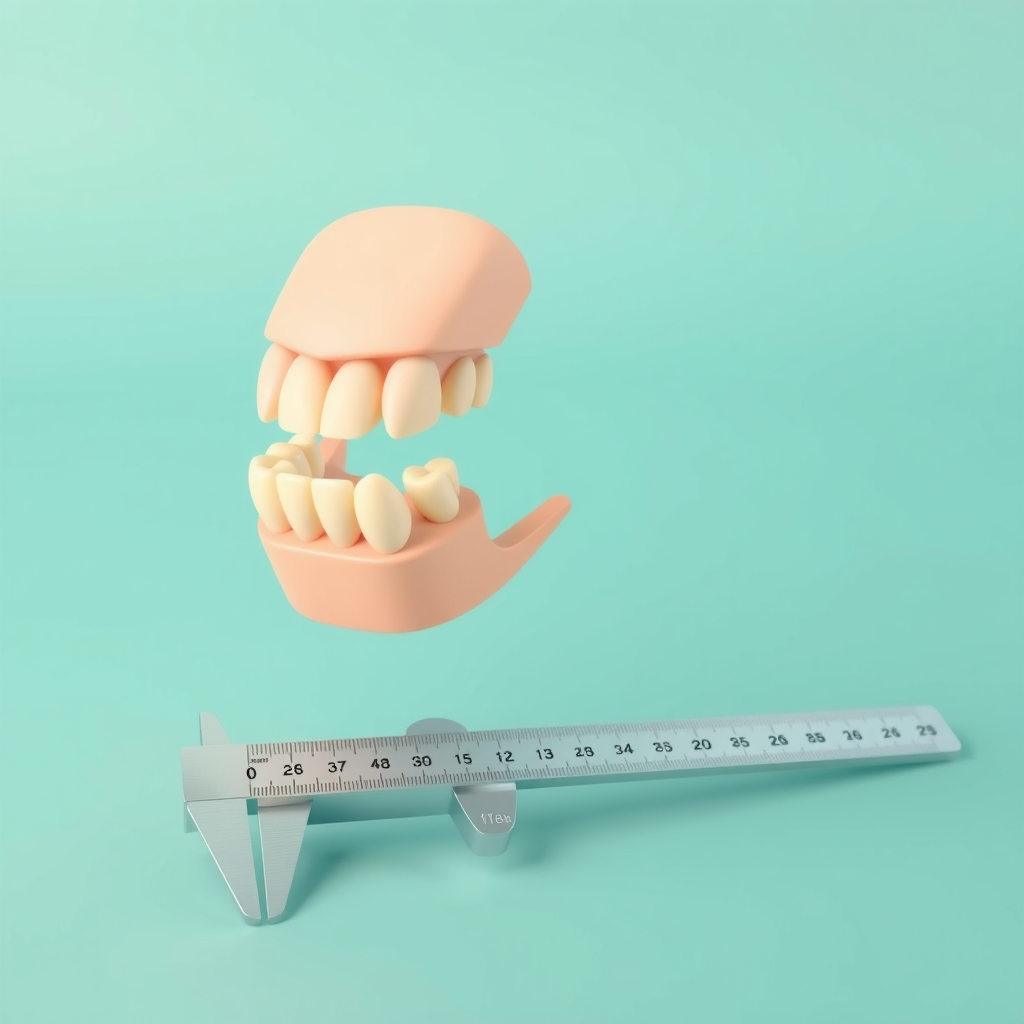
A normal bite occurs when the upper teeth slightly overlap the lower teeth and both jaws are well aligned. When this relationship is off, it can affect chewing, speech, jaw comfort and the way your face looks over time. Some cases are mild and need no treatment, while others benefit from correction to prevent long-term wear or jaw strain.
Types of Bite Misalignment
Overbite
An overbite happens when the upper front teeth extend too far over the lower front teeth. A small overbite is normal, but an excessive one can lead to gum irritation, jaw pain, and uneven tooth wear. It is often caused by genetics, prolonged thumb sucking in childhood, or tongue thrusting habits.
Underbite
In an underbite, the lower jaw and teeth sit in front of the upper teeth. This is usually due to jaw bone growth patterns inherited from parents. Underbites can make chewing certain foods difficult and may cause the lower jaw to appear more prominent.
Crossbite
A crossbite occurs when some upper teeth sit inside the lower teeth instead of outside, either on one side or both. It can affect front teeth or back teeth and often develops due to delayed loss of baby teeth, narrow jaw arches, or genetic factors. Left untreated, crossbites can cause asymmetric jaw growth in children.
Open Bite
An open bite means the upper and lower front teeth do not touch when the mouth is closed, leaving a visible gap. This is commonly linked to prolonged thumb sucking, pacifier use beyond toddler years, or tongue thrusting habits. It can affect speech clarity and make biting into food harder.
Common Symptoms Across Bite Problems
- Difficulty chewing or biting certain foods
- Speech changes, such as a lisp
- Jaw pain, clicking, or fatigue while eating
- Uneven or excessive tooth wear
- Frequent cheek or tongue biting
- Facial asymmetry in more severe cases
What Causes Bite Misalignment?
Most bite issues stem from a mix of genetic and environmental factors. Jaw size and shape are largely inherited, so if a parent has an overbite or underbite, children may too. Childhood habits like thumb sucking, prolonged pacifier use, or mouth breathing can also shift how teeth and jaws develop. In some cases, early loss of baby teeth, missing teeth, or injury to the jaw contributes to misalignment later in life.
Diagnosis and Treatment Options
A dentist or orthodontist diagnoses bite misalignment through a clinical exam, bite assessment, and usually dental X-rays or scans to study jaw and tooth positioning. Based on severity, treatment options include:
- Braces: Metal or ceramic braces gradually move teeth into correct alignment over months to a couple of years, depending on complexity.
- Clear aligners: A removable, nearly invisible option suitable for mild to moderate cases in teens and adults.
- Jaw growth modification devices: Used in growing children to guide jaw development and reduce the need for future surgery.
- Tooth extraction: Sometimes needed to create space for proper alignment, particularly with crowding.
- Orthognathic (jaw) surgery: Reserved for severe skeletal cases, such as significant underbites, where braces alone cannot correct the jaw relationship.
Typical Cost Ranges in Gurugram
| Treatment | Typical Range (INR) |
|---|---|
| Metal braces (full treatment) | 25,000 to 60,000 |
| Ceramic braces | 45,000 to 90,000 |
| Clear aligners | 60,000 to 1,80,000 |
| Jaw growth appliances (children) | 15,000 to 35,000 |
| Orthognathic surgery | 1,50,000 and above |
These are indicative figures for patients in Sector 10A, Gurugram and can vary based on case complexity, materials used, and treatment duration. A detailed quote is only possible after an in-person evaluation.
When Should You See a Dentist?
If you or your child show any of the symptoms mentioned above, or if teeth visibly do not meet properly when biting down, it is worth getting a professional opinion. Early diagnosis, especially in children, often leads to simpler and more affordable treatment down the line.
Have questions about your teeth?
Singal's Cosmodentz Dental Clinic · Sector 10A, Gurugram
Frequently asked questions
Can adults get braces for bite correction, or is it too late?
It is never too late. Many adults in their 30s, 40s and beyond successfully correct bite issues with braces or clear aligners. Treatment may take slightly longer than in children, but the results are equally effective.
How do I know if my bite issue needs treatment or is just cosmetic?
If you have difficulty chewing, jaw pain, speech issues, or visible tooth wear, treatment is usually recommended for functional reasons, not just appearance. A dental check-up can clarify this.
Is bite correction painful?
Most patients feel mild pressure or soreness for a few days after adjustments, which is normal and manageable with over-the-counter pain relief. Severe pain is not typical and should be reported to your dentist.
At what age should a child be evaluated for bite problems?
Dentists generally recommend an orthodontic evaluation around age 7, even if all baby teeth have not fallen out. Early detection allows for simpler, shorter treatment later.
Treatment costs mentioned on this page are indicative ranges for the Sector 10A, Gurugram region. Your exact cost depends on your case and will be confirmed after a clinical examination at the clinic.