Tongue, Lip, and Cheek Piercings: Dental Risks and Safe Aftercare
Oral piercings on the tongue, lip, or cheek are a personal style choice, and many people in Sector 10A, Gurugram wear them without major problems. However, the mouth is a warm, moist environment with constant movement from talking, chewing, and swallowing, which makes oral piercings riskier for dental health than piercings elsewhere on the body. Understanding these risks and following proper aftercare can help protect your teeth and gums.
How Oral Piercings Affect Teeth and Gums
The jewellery used in tongue, lip, and cheek piercings sits close to teeth and gum tissue, and repeated contact over months or years can cause gradual but real damage.
Chipped or Cracked Teeth
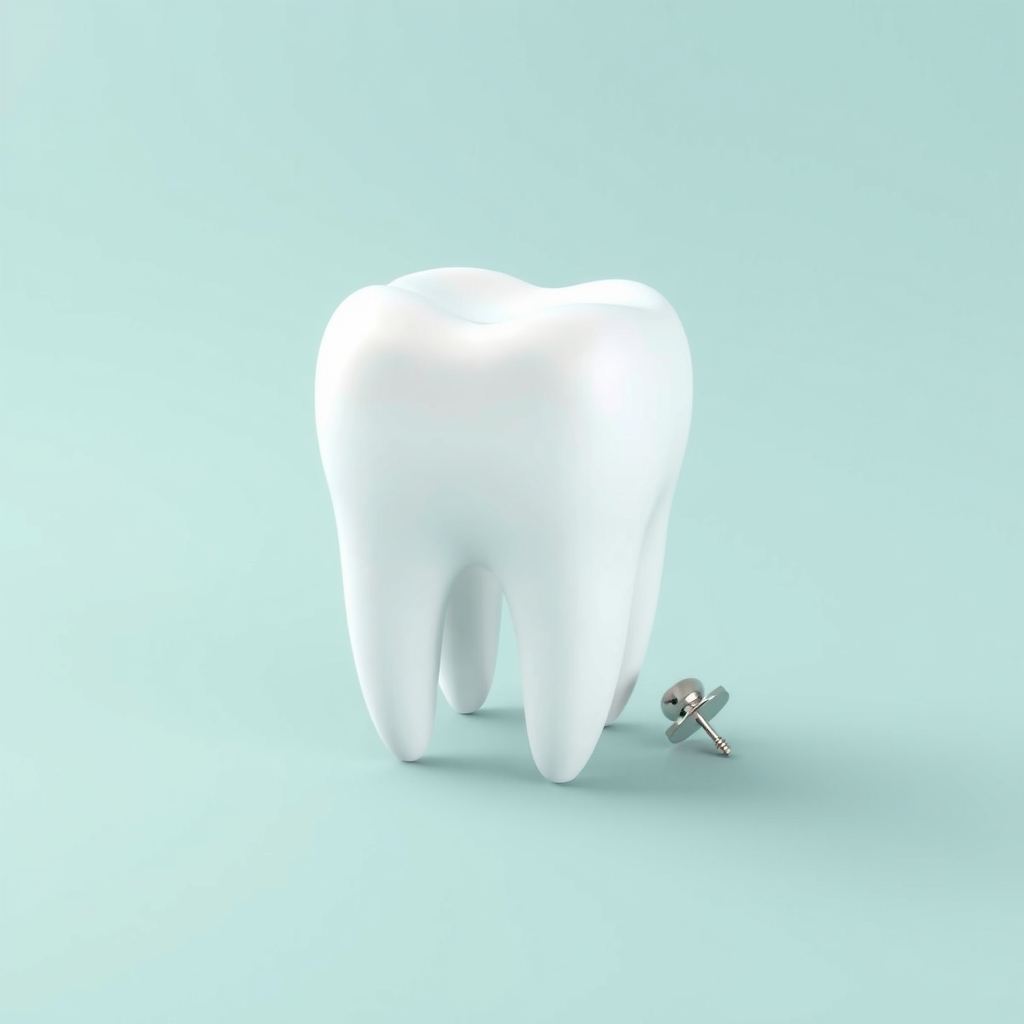
A metal barbell clicking against enamel while talking, eating, or sleeping can chip or crack teeth over time. This is one of the most common dental complaints among people with tongue piercings, and damage often happens slowly without being noticed until a tooth feels rough or sensitive.
Gum Recession
Lip and cheek piercings, in particular, can rub against the gum line where the jewellery rests against the inside of the lip or cheek. This friction can wear away gum tissue over time, exposing tooth roots and increasing sensitivity to hot, cold, and sweet foods.
Infection and Swelling
The mouth carries a high number of bacteria, and a fresh piercing is an open wound. This raises the risk of infection, especially in the first few weeks. Swelling from a tongue piercing can occasionally become severe enough to affect breathing or swallowing, which needs urgent medical attention.
Nerve Damage and Numbness
Piercing the tongue or lip carries a small risk of nerve injury, which can cause temporary or, rarely, lasting numbness, altered taste, or changes in speech.
Increased Saliva and Speech Changes
New piercings often trigger excess saliva production and can affect speech clarity, chewing, and swallowing for the first few days while the mouth adjusts.
Who Should Think Twice Before Getting an Oral Piercing
- People with a history of gum disease or thin gum tissue
- Those who grind or clench their teeth at night
- People with heart conditions that increase infection risk, unless cleared by a doctor
- Anyone prone to nervous habits like biting or playing with jewellery
Safe Aftercare Tips for Oral Piercings
If you already have a piercing or are set on getting one, these habits can help lower the chances of dental damage.
- Choose a piercer who uses sterile, single-use equipment and implant-grade titanium jewellery.
- Rinse with an alcohol-free antibacterial or saline mouth rinse several times a day during healing, especially after eating.
- Avoid alcohol, tobacco, and spicy or acidic foods for at least the first week, as these can irritate the wound.
- Switch to a shorter barbell once initial swelling subsides to reduce contact with teeth and gums.
- Avoid clicking, twisting, or playing with the jewellery, since this habit is a major cause of chipped teeth.
- Remove tongue and lip jewellery before sleeping, playing sports, or eating hard or sticky foods.
- Brush gently around the piercing site and continue regular flossing to keep bacteria levels low.
- Watch for warning signs such as increasing pain, pus, fever, or difficulty swallowing, and seek care promptly if these occur.
Why Regular Dental Check-ups Matter
If you have an oral piercing, routine dental visits become even more important. A dentist can spot early enamel wear, gum recession, or bite changes before they become serious problems. Patients in Sector 10A, Gurugram with piercings are encouraged to mention them during check-ups so the dental team can examine the area closely and offer tailored advice.
| Piercing Site | Common Dental Risk | Typical Healing Time |
|---|---|---|
| Tongue | Chipped teeth, tongue swelling | 4 to 6 weeks |
| Lip | Gum recession, enamel wear | 8 to 12 weeks |
| Cheek | Gum irritation, infection risk | 8 to 12 weeks |
Oral piercings do not have to mean permanent dental harm, but they do require awareness and consistent care. Being mindful of jewellery size, cleaning routines, and habits like clicking or biting the piece can go a long way in protecting your smile.
Have questions about your teeth?
Singal's Cosmodentz Dental Clinic · Sector 10A, Gurugram
Frequently asked questions
Are oral piercings ever completely safe for teeth?
There is no way to make an oral piercing risk free for teeth and gums. Even well cared for piercings can chip teeth over time or cause gum recession. If you already have one, careful habits and regular dental check-ups can lower the risk.
How long does healing take after a tongue or lip piercing?
A tongue piercing usually takes about 4 to 6 weeks to heal, while lip and cheek piercings can take 8 to 12 weeks. Swelling and tenderness in the first few days are normal, but worsening pain or pus needs prompt attention.
Can I keep my piercing and still protect my teeth?
Yes, to some extent. Choosing a shorter barbell once swelling goes down, avoiding clicking it against teeth, and removing it during sleep and sports can meaningfully reduce damage.
When should I see a dentist about my oral piercing?
See a dentist if you notice a chipped tooth, loose feeling in a tooth, receding gums near the jewellery, prolonged bleeding, or signs of infection such as swelling, fever, or foul discharge.
Treatment costs mentioned on this page are indicative ranges for the Sector 10A, Gurugram region. Your exact cost depends on your case and will be confirmed after a clinical examination at the clinic.