Types of Bite Misalignment and How to Fix Them
If your teeth do not meet evenly when you bite down, you may be dealing with a condition dentists call malocclusion, or bite misalignment. Many patients visiting us from Sector 10A, Gurugram notice this issue in themselves or their children but are unsure what it means or whether it needs treatment. This guide explains the common types of bite problems and the ways they can be corrected.
What Is a Bite Misalignment?
A normal bite means your upper and lower teeth fit together comfortably, with upper front teeth slightly overlapping the lower ones. When the jaws or teeth are out of alignment, chewing, speaking, and even jaw comfort can be affected. Some cases are mild and mostly cosmetic, while others cause real functional problems over time.
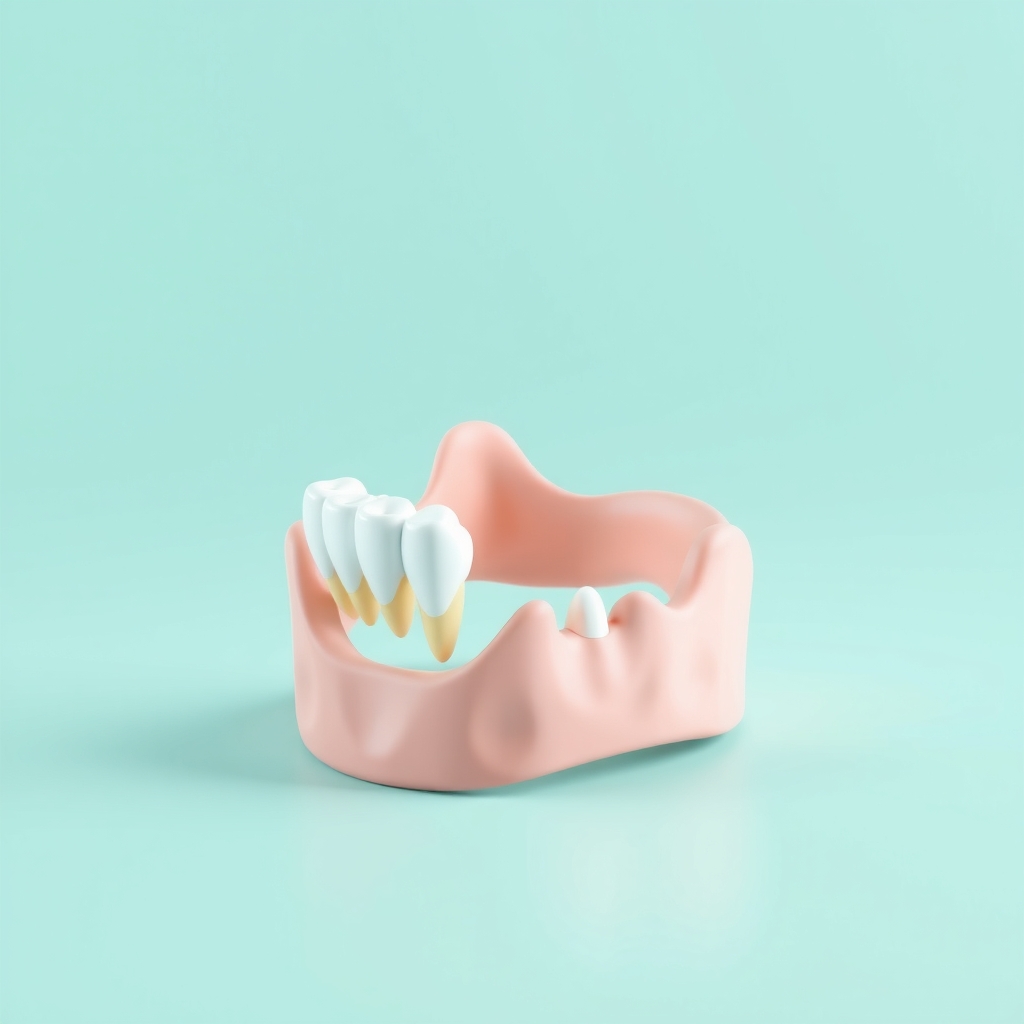
Common Types of Bite Misalignment
Overbite
An overbite happens when the upper front teeth extend noticeably over the lower front teeth. A small amount of overlap is normal, but a deep overbite can cause the lower teeth to bite into the roof of the mouth, leading to gum irritation and uneven wear.
Underbite
In an underbite, the lower teeth and jaw sit in front of the upper teeth. This can make chewing difficult and sometimes gives the lower jaw a more prominent appearance. Underbites are often linked to jaw growth patterns rather than just tooth position.
Crossbite
A crossbite occurs when one or more upper teeth sit inside the lower teeth instead of outside, either on one side (posterior crossbite) or in the front (anterior crossbite). Left untreated, crossbites can cause asymmetric jaw growth, especially in children.
Open Bite
An open bite is when the upper and lower front teeth do not touch at all when the back teeth are closed together, leaving a visible gap. This is often linked to habits like prolonged thumb sucking, tongue thrusting, or pacifier use in childhood.
| Bite Type | What It Looks Like | Common Causes |
|---|---|---|
| Overbite | Upper teeth cover lower teeth heavily | Genetics, thumb sucking, jaw growth |
| Underbite | Lower teeth sit in front of upper teeth | Jaw bone growth pattern, genetics |
| Crossbite | Upper teeth sit inside lower teeth | Narrow upper jaw, delayed baby tooth loss |
| Open Bite | Front teeth do not meet when biting | Thumb sucking, tongue thrust, skeletal shape |
How Bite Problems Are Diagnosed
A dentist examines how your teeth meet, checks jaw movement, and may take photographs, dental impressions, or X-rays. This helps determine whether the issue is purely dental (tooth position) or skeletal (jaw bone position), which guides the treatment plan.
Treatment Options for Bite Correction
- Braces: Metal or ceramic braces gradually move teeth into better alignment and are effective for most overbites, underbites, and crossbites.
- Clear aligners: A series of custom removable trays that suit milder to moderate bite corrections in teens and adults who prefer a discreet option.
- Palatal expanders: Used mainly in children to widen a narrow upper jaw, often helpful for crossbites.
- Retainers: Worn after active treatment to hold teeth in their new, corrected position.
- Jaw surgery (orthognathic surgery): Reserved for severe skeletal cases in adults where braces alone cannot correct the jaw relationship.
- Habit correction therapy: For children with open bites linked to thumb sucking or tongue thrusting, breaking the habit early can prevent the bite problem from worsening.
Typical Cost Considerations
Treatment cost depends on the type and severity of the bite problem, the method chosen, and the length of treatment. In Sector 10A, Gurugram, braces typically range from roughly 25,000 to 80,000 INR, while clear aligners typically range from 50,000 to 1,50,000 INR depending on complexity. Simple interventions like habit-breaking appliances usually cost less, while jaw surgery cases involve additional surgical and hospital charges. These are typical ranges only, and your dentist will give you a clearer estimate after an examination.
Why Early Evaluation Helps
Not every bite irregularity needs immediate treatment, but an early check helps catch problems while they are easier to correct, especially in growing children. Adults with longstanding bite issues can still benefit from treatment, often with improved chewing comfort and reduced strain on the jaw joint.
If you have noticed your teeth do not meet evenly or a family member in Sector 10A has a visible bite issue, a dental evaluation can clarify what type of malocclusion is present and what correction options suit your situation best.
Have questions about your teeth?
Singal's Cosmodentz Dental Clinic · Sector 10A, Gurugram
Frequently asked questions
Can bite problems get worse if left untreated?
Yes. Many bite misalignments gradually worsen over time, especially in growing children, and can lead to uneven tooth wear, jaw strain, or speech issues if ignored.
What age is best to start bite correction?
Children are often evaluated between ages 7 and 10, but adults can correct bite issues at any age using braces, aligners, or other dental treatments.
Does a crossbite always need surgery?
No, most crossbites are corrected with braces, aligners, or palatal expanders. Surgery is usually reserved for severe skeletal cases in adults.
How do I know which type of bite problem I have?
A dental examination with photos and sometimes an X-ray is the most reliable way to identify the exact type and severity of your bite misalignment.
Treatment costs mentioned on this page are indicative ranges for the Sector 10A, Gurugram region. Your exact cost depends on your case and will be confirmed after a clinical examination at the clinic.