Gum Recession and Exposed Tooth Roots: Causes, Risks, and Treatment Options
Many patients in Sector 10A, Gurugram come in worried that their teeth look "longer" than before, or that they feel a sharp twinge when drinking something cold. Often, the cause is gum recession, a gradual process where the gum tissue pulls back and exposes the tooth root underneath. It is common, usually painless in early stages, and very manageable once identified.
Why Do Gums Recede?
Gum recession rarely happens overnight. It builds up slowly from one or more of these causes:
- Gum disease: Plaque and tartar buildup along the gum line causes inflammation that gradually breaks down gum tissue and the bone supporting it.
- Aggressive brushing: Scrubbing too hard with a firm brush, especially in a side-to-side motion, wears away gum tissue over time.
- Teeth grinding or clenching: Excess force on teeth can affect the surrounding gum and bone.
- Misaligned teeth or thin gum tissue: Some people are simply born with thinner gum tissue or teeth positioned in a way that makes recession more likely.
- Tobacco use: Smoking and chewing tobacco are strongly linked to gum recession and slower healing.
- Hormonal changes: Pregnancy, puberty, and menopause can make gums more sensitive to plaque and prone to recession.
Why Exposed Tooth Roots Are a Concern
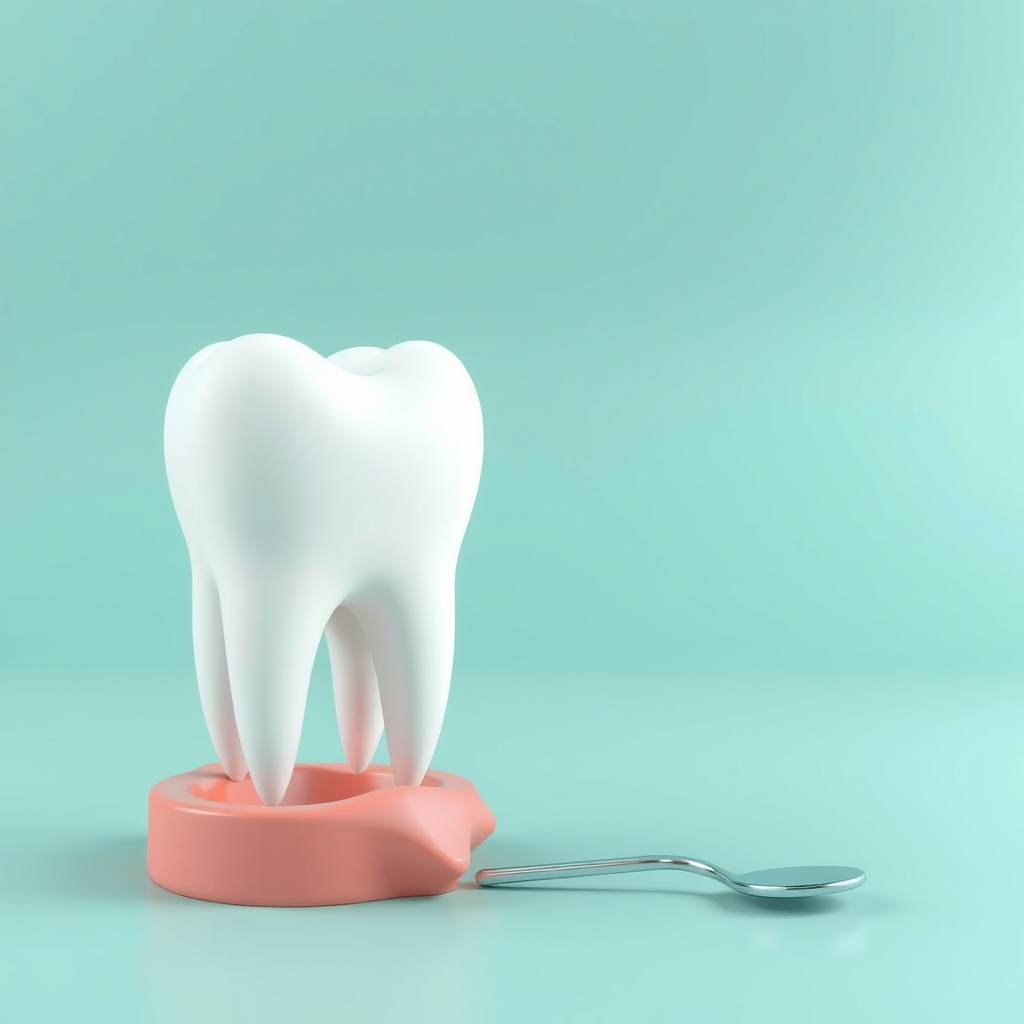
Unlike the crown of the tooth, the root surface is not covered by hard enamel. Once it is exposed, several problems can follow:
- Sensitivity: Hot, cold, sweet, or even cool air can trigger sharp, short bursts of discomfort.
- Root decay: The root surface is softer than enamel and more vulnerable to cavities.
- Further gum and bone loss: Exposed roots are harder to keep clean, which can accelerate further recession if not managed.
- Tooth mobility: In advanced cases, ongoing bone loss can loosen teeth.
- Appearance: Uneven or receded gums can make teeth look longer or uneven, which bothers many patients cosmetically.
Treatment Options Available in Gurugram
Treatment depends on how much recession has occurred and whether it is still progressing. A dental check-up with gum measurements usually guides the right approach.
Scaling and Root Planing
For recession caused by plaque and tartar buildup, thorough scaling removes the irritants causing gum inflammation. Root planing smooths the exposed root surface so plaque sticks less easily. This is often the first step before any further treatment is considered, and for many patients with mild to moderate recession, it is enough to stop progression.
Desensitising Treatments
For sensitivity without major gum loss, in-clinic desensitising agents or special toothpaste can calm the nerve endings in exposed roots. This is a conservative, non-surgical option worth trying first.
Gum Grafting
When recession is more advanced, gum grafting can cover the exposed root using tissue taken from the patient's own palate or a suitable graft material. This restores gum coverage, reduces sensitivity, and protects the root from further damage. It also improves the appearance of an uneven gum line.
Pinhole Surgical Technique
A newer, minimally invasive option, pinhole surgery involves making a small pinhole in the gum tissue and gently repositioning the existing gum to cover the exposed root, without cutting or stitches. Recovery tends to be quicker and more comfortable compared to traditional grafting, and it can treat multiple teeth in one sitting. Suitability depends on the extent and pattern of recession, which your dentist can assess.
| Treatment | Best For | Typical Range (INR) |
|---|---|---|
| Scaling and root planing | Early recession linked to plaque and tartar | ₹1,500 to ₹4,000 |
| Desensitising treatment | Sensitivity with minimal recession | ₹500 to ₹2,000 per sitting |
| Gum grafting | Moderate to advanced recession | ₹8,000 to ₹20,000 per tooth |
| Pinhole surgical technique | Multiple teeth, minimally invasive preference | ₹10,000 to ₹25,000 per tooth |
These are typical ranges seen in Sector 10A, Gurugram and can vary based on the number of teeth involved, the complexity of the case, and the materials used. An in-person consultation is needed for an accurate estimate.
Preventing Further Recession
- Use a soft-bristled brush with gentle, circular strokes rather than aggressive scrubbing
- Get professional cleanings at regular intervals to keep plaque and tartar under control
- Wear a night guard if you grind or clench your teeth
- Avoid tobacco products
- Address teeth alignment issues early if they are contributing to uneven gum pressure
If you have noticed your teeth looking longer, increased sensitivity, or visible root exposure, it is worth getting your gums checked before the issue progresses. Early intervention usually means simpler, more comfortable treatment.
Have questions about your teeth?
Singal's Cosmodentz Dental Clinic · Sector 10A, Gurugram
Frequently asked questions
Can receded gums grow back on their own?
No. Gum tissue does not regenerate naturally once it has receded. The exposed root area stays the same or can worsen without treatment, though gum grafting can cover it surgically.
Is pinhole surgery painful?
Most patients report mild discomfort rather than significant pain, since no cutting or stitching is involved. Local anaesthesia is used during the procedure and mild soreness afterward is managed with simple painkillers.
How do I know if my gum recession needs treatment or just monitoring?
Mild recession without sensitivity or mobility may just need monitoring and better brushing technique. Noticeable root exposure, sensitivity, or progressive recession should be assessed by a dentist for early treatment.
Does scaling cause gums to recede further?
Properly done scaling does not cause recession. In fact it removes plaque and tartar that drive gum disease, which is one of the main causes of recession. Some patients notice teeth look slightly longer after scaling simply because swelling goes down and gums that were already receded become visible.
Treatment costs mentioned on this page are indicative ranges for the Sector 10A, Gurugram region. Your exact cost depends on your case and will be confirmed after a clinical examination at the clinic.