Teeth Grinding (Bruxism): Causes, Warning Signs, and Treatment Options
Waking up with a sore jaw, a dull headache, or noticing your teeth look shorter or flatter than before? These are classic signs of bruxism, the medical term for teeth grinding or clenching. Many people in Sector 10A, Gurugram deal with this condition without realising it, often because most grinding happens during sleep. Understanding the causes and warning signs early can help protect your teeth and jaw from long-term damage.
What Causes Teeth Grinding?
Bruxism can happen while you are awake or asleep, and the causes often differ between the two.
- Stress and anxiety: Emotional tension is one of the most common triggers, especially for daytime clenching.
- Sleep-related factors: Grinding during sleep is often linked to sleep disorders, including snoring or sleep apnea.
- Uneven bite or missing teeth: When teeth do not fit together properly, the jaw muscles may compensate by grinding.
- Lifestyle habits: High caffeine or alcohol intake, smoking, and certain medications can increase the likelihood of grinding.
- Age factor: Bruxism is common in young children and often decreases with age, though it can persist or reappear in adults.
Warning Signs You Should Not Ignore
Bruxism often develops gradually, so the signs can be easy to miss at first. Watch out for the following.
- Jaw pain, soreness, or tightness, especially in the morning
- Frequent dull headaches, particularly around the temples
- Flattened, chipped, or worn tooth edges
- Increased tooth sensitivity to hot, cold, or sweet foods
- Clicking or popping sounds when opening or closing the mouth
- A partner mentioning grinding sounds during your sleep
- Indentations on the tongue or cheek biting marks
If left unaddressed, ongoing grinding can wear down enamel, loosen teeth, and put strain on the jaw joint over time.
How Bruxism Is Diagnosed
During a dental visit, your dentist will examine your teeth for signs of wear, check your jaw movement and muscle tenderness, and ask about your sleep quality, stress levels, and any medications you take. In some cases, an X-ray may be recommended to assess the condition of your teeth and supporting bone more closely.
Treatment Options for Teeth Grinding
Night Guards
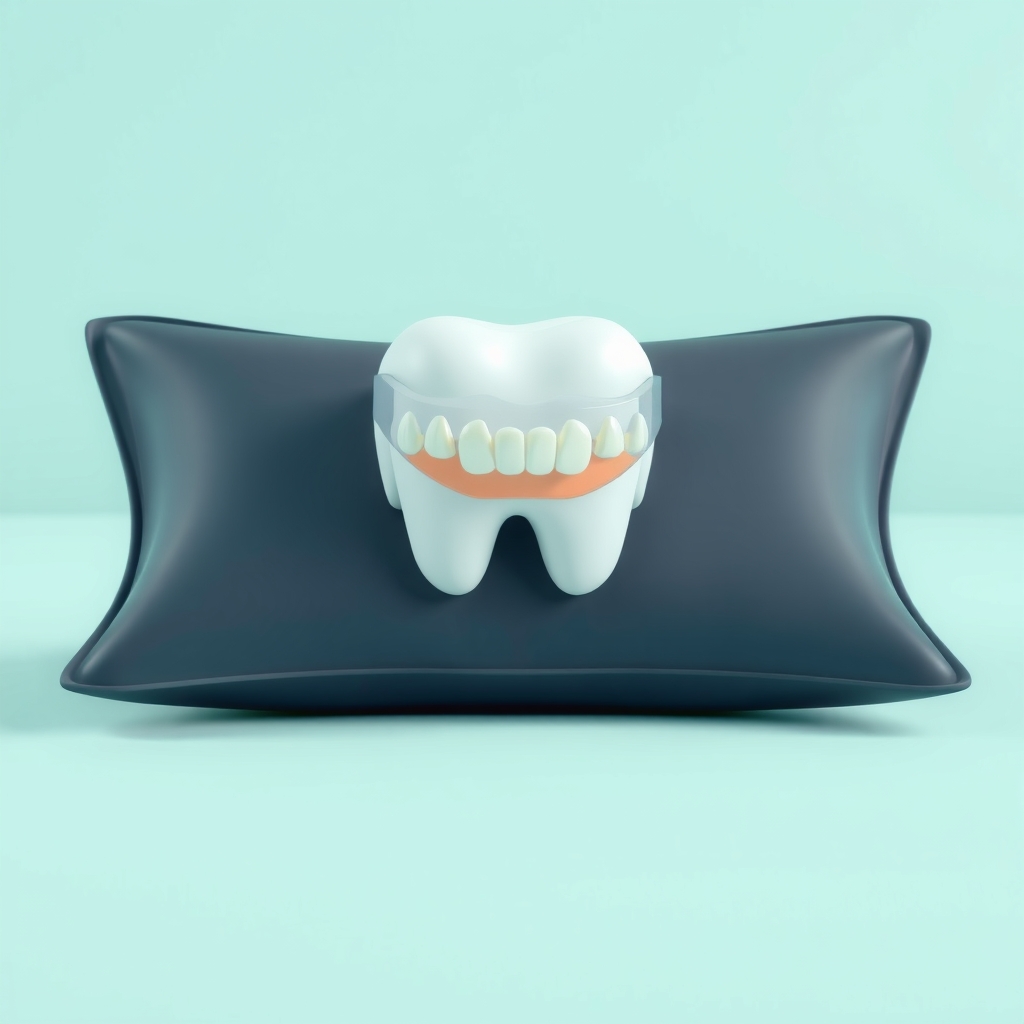
A custom-fitted night guard is one of the most reliable ways to protect teeth from grinding damage. Worn while sleeping, it creates a cushion between the upper and lower teeth, reducing wear and easing pressure on the jaw joint. Unlike over-the-counter versions, a custom guard made at a dental clinic fits your bite precisely, making it more comfortable for regular use.
Addressing the Underlying Cause
Because bruxism often has an underlying trigger, treatment usually goes beyond just a night guard. This may include:
- Stress management techniques, such as relaxation exercises
- Correcting an uneven bite through minor dental adjustments
- Referral for a sleep evaluation if a sleep disorder is suspected
- Reducing caffeine or alcohol intake, especially in the evening
Restoring Worn Teeth
If grinding has already caused noticeable wear, chipping, or sensitivity, your dentist may suggest restorative treatment such as bonding or crowns to rebuild the tooth structure and protect it from further damage.
| Treatment | Purpose | Typical Range (INR)* |
|---|---|---|
| Custom night guard | Protects teeth during sleep, reduces jaw strain | ₹3,000 to ₹8,000 |
| Bite adjustment | Corrects uneven contact between teeth | ₹1,500 to ₹5,000 |
| Restoration for worn teeth | Rebuilds chipped or flattened tooth surfaces | ₹2,000 to ₹15,000 per tooth |
*These are typical ranges for Sector 10A, Gurugram and can vary based on individual assessment. Your dentist will confirm exact costs after an examination.
When to See a Dentist
If you are experiencing regular jaw pain, morning headaches, or you have noticed your teeth changing shape, it is worth getting evaluated sooner rather than later. Early treatment, such as a properly fitted night guard, can prevent more extensive dental work down the line. At Cosmodentz Dental Clinic in Sector 10A, Gurugram, our team can assess your bite, identify possible causes, and recommend a treatment plan suited to your needs.
Have questions about your teeth?
Singal's Cosmodentz Dental Clinic · Sector 10A, Gurugram
Frequently asked questions
Is teeth grinding always related to stress?
Stress is a common trigger, but bruxism can also be linked to sleep disorders, an uneven bite, certain medications, or lifestyle habits like high caffeine intake. A dental check-up can help identify the likely cause.
Can children have bruxism too?
Yes, teeth grinding is fairly common in children, especially during teething or as their bite develops. Most children outgrow it, but it is worth mentioning to your dentist during regular visits.
How long do I need to wear a night guard?
Many patients wear a night guard indefinitely as ongoing protection, since grinding habits often return once the guard is removed for a long period. Your dentist will guide you based on your specific pattern.
Will a night guard stop my headaches completely?
A night guard can significantly reduce grinding-related jaw strain and morning headaches for many patients, though results vary. If headaches persist, further evaluation may be needed to rule out other causes.
Treatment costs mentioned on this page are indicative ranges for the Sector 10A, Gurugram region. Your exact cost depends on your case and will be confirmed after a clinical examination at the clinic.