Professional Teeth Scaling and Cleaning: What It Involves, Cost, and Common Myths
If you have been putting off a teeth cleaning appointment because you heard it damages enamel or is not really necessary, you are not alone. This is one of the most common myths we hear from patients visiting our clinic in Sector 10A, Gurugram. Let us clear up the confusion with facts, not fear.
What Happens During Professional Teeth Scaling and Cleaning
Professional scaling removes plaque and tartar (hardened plaque, also called calculus) from the surface of your teeth and just below the gumline. This buildup cannot be removed by brushing alone, no matter how hard you scrub.
- Examination: The dentist checks your gums and teeth to see how much tartar has accumulated and whether there are signs of gum disease.
- Scaling: An ultrasonic scaler uses gentle vibrations and a water spray to loosen and flush away tartar and stains. Hand instruments may be used for finishing touches in tight spots.
- Polishing: A soft rotating brush with a mild polishing paste smooths the tooth surface, removing surface stains and leaving teeth feeling clean.
- Fluoride application (if needed): Some patients benefit from a fluoride application afterward to strengthen enamel, especially if sensitivity is a concern.
The entire process is non-surgical and does not involve cutting or drilling into the tooth structure.
Does Scaling Weaken or Damage Enamel? The Truth
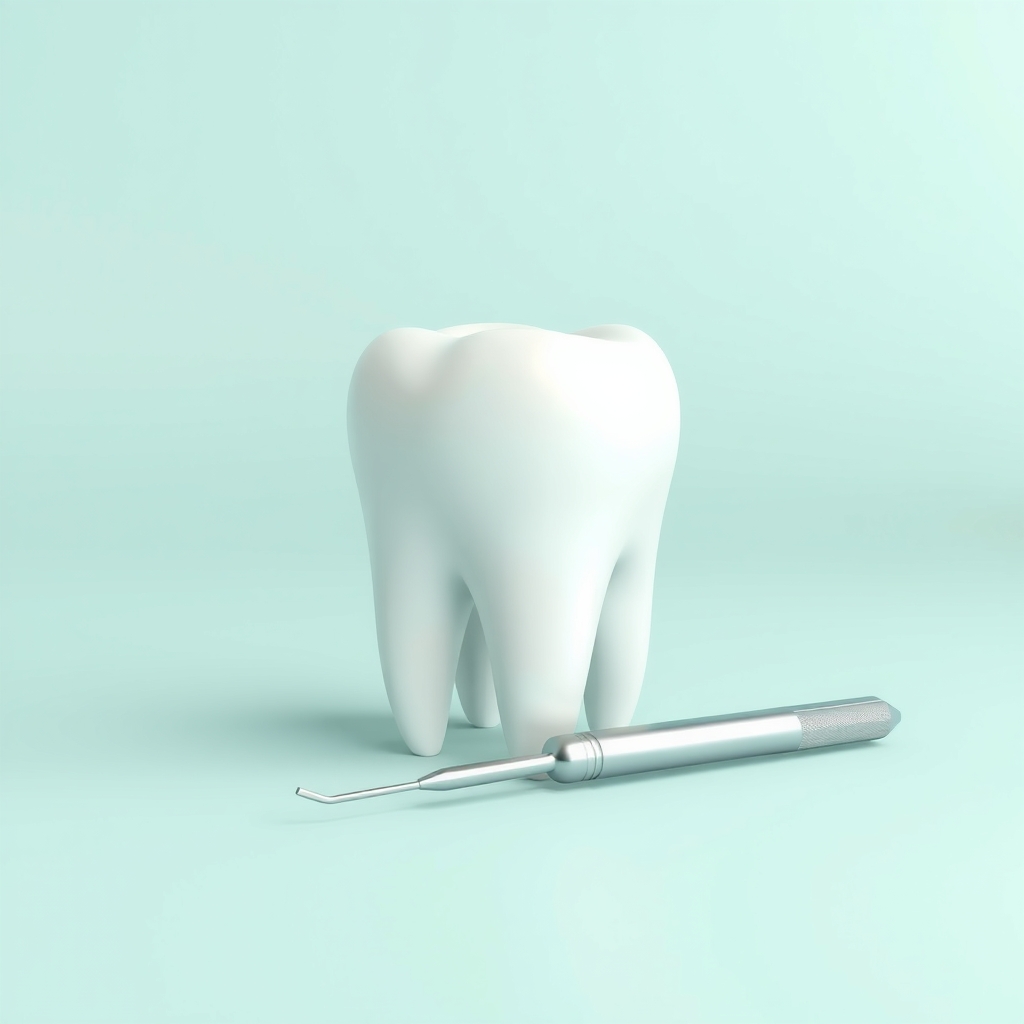
This is the biggest myth surrounding dental cleaning. Tooth enamel is the hardest substance in the human body. Ultrasonic scalers are specifically designed to remove tartar, which is much softer than enamel, without harming the tooth surface underneath.
Here is what actually happens:
- Tartar sits on top of enamel like a hardened crust. Removing it does not scrape away enamel.
- After scaling, teeth may look or feel slightly different because the tartar that was covering stained or uneven areas is now gone, revealing the natural tooth surface underneath.
- Temporary sensitivity to hot or cold after cleaning is common and usually fades within a few days. This happens because the gums and tooth surface are adjusting, not because enamel has been damaged.
In fact, leaving tartar in place is far more harmful. It traps bacteria against the gumline, leading to gum inflammation, bad breath, and eventually gum disease that can loosen teeth permanently.
How Often Should You Get Teeth Scaling Done
For most adults with generally healthy gums, a professional cleaning every 6 months is a good routine. However, the right frequency depends on individual factors:
- Every 6 months: Suitable for most people with average oral hygiene and no major gum concerns.
- Every 3 to 4 months: Recommended for people with gum disease (periodontitis), smokers, diabetics, or those who accumulate tartar quickly.
- Once a year: May be enough for people with excellent home care and low tartar buildup, though this should be confirmed by your dentist.
Your dentist will assess your gum health and tartar levels at each visit to recommend a schedule that suits you.
Teeth Scaling Cost in Gurugram
Pricing depends on the amount of tartar buildup, whether polishing and fluoride treatment are included, and whether any gum treatment is needed alongside. Based on typical practice in Sector 10A, Gurugram, here is a general idea:
| Type of Cleaning | Typical Range (INR) |
|---|---|
| Basic scaling and polishing | Rs 1,000 to Rs 2,500 |
| Scaling with deeper gum cleaning (mild gum disease) | Rs 2,500 to Rs 4,500 |
| Advanced deep cleaning (root planing for gum disease) | Rs 4,000 to Rs 8,000+ |
These are typical ranges and the final cost depends on your specific oral condition. Your dentist will confirm exact costs after an examination.
Signs You Should Not Delay Your Cleaning
- Bleeding gums while brushing or flossing
- Persistent bad breath
- Visible yellow or brown deposits near the gumline
- Gums that look red, swollen, or feel tender
If you notice any of these, it is best to schedule a checkup rather than wait for your next routine visit.
Have questions about your teeth?
Singal's Cosmodentz Dental Clinic · Sector 10A, Gurugram
Frequently asked questions
Does scaling make teeth loose?
No. If teeth feel slightly loose right after scaling, it is usually because heavy tartar was holding them together artificially. Once gums heal in a week or two, healthy teeth settle back firmly.
Is scaling painful?
Most people feel mild vibration or pressure, not pain. If your gums are already inflamed, you may notice brief sensitivity, which settles quickly. Local anaesthesia is rarely needed.
How long does a cleaning session take?
A routine scaling and polishing session usually takes 20 to 40 minutes, depending on how much tartar has built up and whether both jaws need attention.
Can I eat normally after scaling?
Yes, but wait about 30 minutes before eating and avoid very hot, cold, or acidic foods for the rest of the day if your teeth feel sensitive.
Treatment costs mentioned on this page are indicative ranges for the Sector 10A, Gurugram region. Your exact cost depends on your case and will be confirmed after a clinical examination at the clinic.