Tooth Enamel Erosion: Causes, Warning Signs, and Treatment Options
If your teeth have started looking a bit more yellow, feel unusually sensitive to cold water, or seem thinner and slightly see-through at the edges, you may be noticing early enamel erosion. Enamel is the hard, protective outer layer of your teeth, and once it wears away, it does not grow back. Understanding why this happens is the first step to protecting what enamel you have left.
What Is Tooth Enamel Erosion?
Enamel erosion is the gradual loss of this outer tooth layer due to acid exposure or physical wear, rather than bacterial decay. As enamel thins, the yellowish dentin layer underneath becomes more visible, which is why worn teeth often look duller or more translucent near the biting edges.
Common Causes of Enamel Erosion
1. Acidic Foods and Drinks
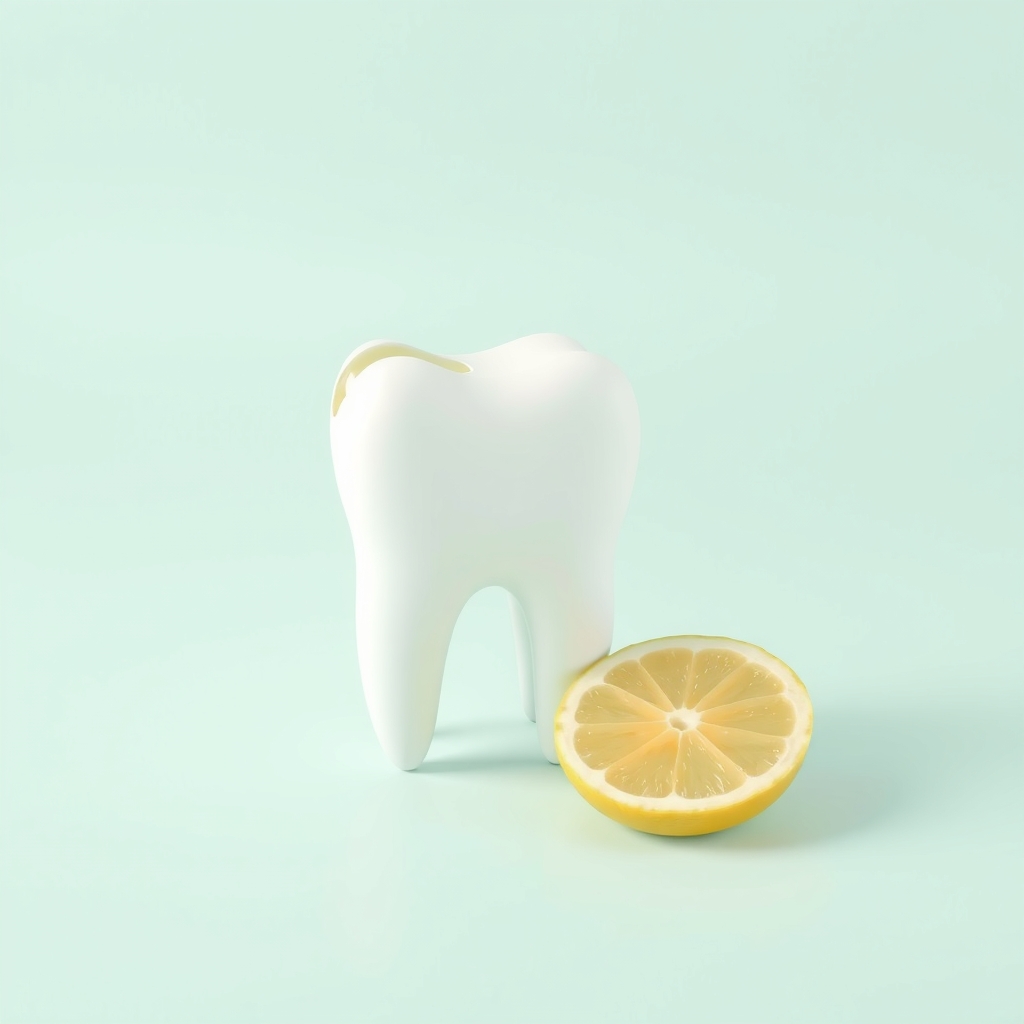
Frequent consumption of citrus fruits, carbonated soft drinks, packaged juices, pickles, and vinegar-based foods exposes teeth to acids that soften and gradually dissolve enamel. Sipping acidic drinks slowly over a long time, rather than drinking them quickly, tends to cause more damage because the teeth stay in contact with acid for longer.
2. Acid Reflux and GERD
Gastroesophageal reflux disease (GERD) allows stomach acid to travel up into the mouth, especially at night. This acid is far stronger than most dietary acids and often affects the back teeth and the inner tooth surfaces first. Many patients only realise they have reflux after a dentist notices this pattern of wear.
3. Aggressive Brushing
Brushing too hard, using a hard-bristled toothbrush, or brushing immediately after consuming something acidic can wear away softened enamel and irritate the gumline. This often shows up as notches or grooves near the gums, along with gum recession.
4. Other Contributing Factors
- Dry mouth, which reduces saliva's natural buffering and remineralising effect
- Teeth grinding (bruxism), which wears down enamel through friction
- Certain medications that increase acidity or reduce saliva flow
- Frequent vomiting, including from conditions like bulimia or morning sickness
Signs of Enamel Erosion to Watch For
- Increased sensitivity to cold, sweet, or hot foods
- Teeth appearing yellow or translucent, especially at the edges
- Rounded or cupped chewing surfaces on back teeth
- Smooth, glossy patches on tooth surfaces
- Increased chipping or roughness along biting edges
Treatment Options to Restore and Protect Enamel
While lost enamel cannot be regrown, several treatments can strengthen remaining enamel, reduce sensitivity, and restore the appearance and function of worn teeth.
Fluoride and Remineralising Treatments
Professional fluoride application and prescription remineralising toothpaste can help harden softened enamel and reduce sensitivity in early-stage erosion.
Dental Bonding
For minor wear or chipped edges, tooth-coloured composite resin can be bonded to the tooth to restore shape and protect the exposed dentin underneath.
Veneers
For more noticeable erosion affecting the front teeth, porcelain or composite veneers can rebuild the tooth's appearance while shielding the weakened surface from further acid exposure.
Crowns
When erosion is advanced and a tooth has lost significant structure, a crown may be recommended to protect the tooth and restore normal chewing function.
Managing the Underlying Cause
Treatment is most effective when combined with addressing the root cause, such as managing GERD with a physician, switching to a soft-bristled brush with gentle technique, cutting back on acidic food and drink frequency, or using a nightguard for grinding.
| Treatment | Best For | Typical Range (INR) |
|---|---|---|
| Fluoride/remineralising therapy | Early sensitivity, mild erosion | 800 to 2,500 per session |
| Dental bonding | Small chips, minor wear | 1,500 to 4,000 per tooth |
| Veneers | Visible front tooth erosion | 8,000 to 25,000 per tooth |
| Crowns | Advanced structural wear | 6,000 to 18,000 per tooth |
These are typical ranges seen for patients in Sector 10A, Gurugram, and the exact cost depends on the extent of wear and material chosen after a clinical examination.
Protecting Your Enamel Going Forward
- Use a soft-bristled toothbrush and gentle, circular strokes
- Wait about 30 minutes after acidic food or drink before brushing
- Rinse with plain water after acidic meals or reflux episodes
- Chew sugar-free gum to boost saliva flow if you have a dry mouth
- Get reflux symptoms evaluated by a doctor if they occur frequently
If you have noticed thinning, translucent, or worn teeth, an early dental check-up can help identify the cause and stop further enamel loss before it affects your comfort or smile.
Have questions about your teeth?
Singal's Cosmodentz Dental Clinic · Sector 10A, Gurugram
Frequently asked questions
Can eroded enamel grow back?
No, enamel does not regenerate once lost because it has no living cells. However, weakened enamel can be strengthened with fluoride and remineralising treatments, and further loss can be prevented with the right care.
How do I know if my enamel is eroding?
Common signs include increased sensitivity to cold, sweet, or hot foods, teeth that look yellowish or translucent at the edges, smooth or shiny patches on the tooth surface, and small dents or cupping on chewing surfaces.
Is enamel erosion the same as tooth decay?
They are different but related. Decay is caused by bacteria producing acid that eats into the tooth, while erosion is a gradual chemical wearing away of enamel from acids in food, drinks, or reflux, without bacterial involvement.
Can brushing harder protect my teeth better?
No, brushing harder actually speeds up enamel wear, especially near the gumline. Gentle brushing with a soft-bristled brush for two minutes, twice daily, protects enamel far better than heavy scrubbing.
Treatment costs mentioned on this page are indicative ranges for the Sector 10A, Gurugram region. Your exact cost depends on your case and will be confirmed after a clinical examination at the clinic.