Water Flosser vs String Floss: Which One Is Better for Your Gums?
If you are standing in a pharmacy aisle in Sector 10A trying to decide between a box of dental floss and a water flosser, you are not alone. Both tools aim to do the same job: clean the spaces between your teeth and along the gumline that a toothbrush cannot reach. But they work quite differently, and knowing the difference can help you protect your gums better and avoid wasted money.
How Each Tool Actually Works
String floss is a thin thread that you manually guide between each tooth, gently scraping the sides to remove plaque and trapped food. It creates direct contact with the tooth surface, which is important because plaque is sticky and often needs a physical scrape to come off.
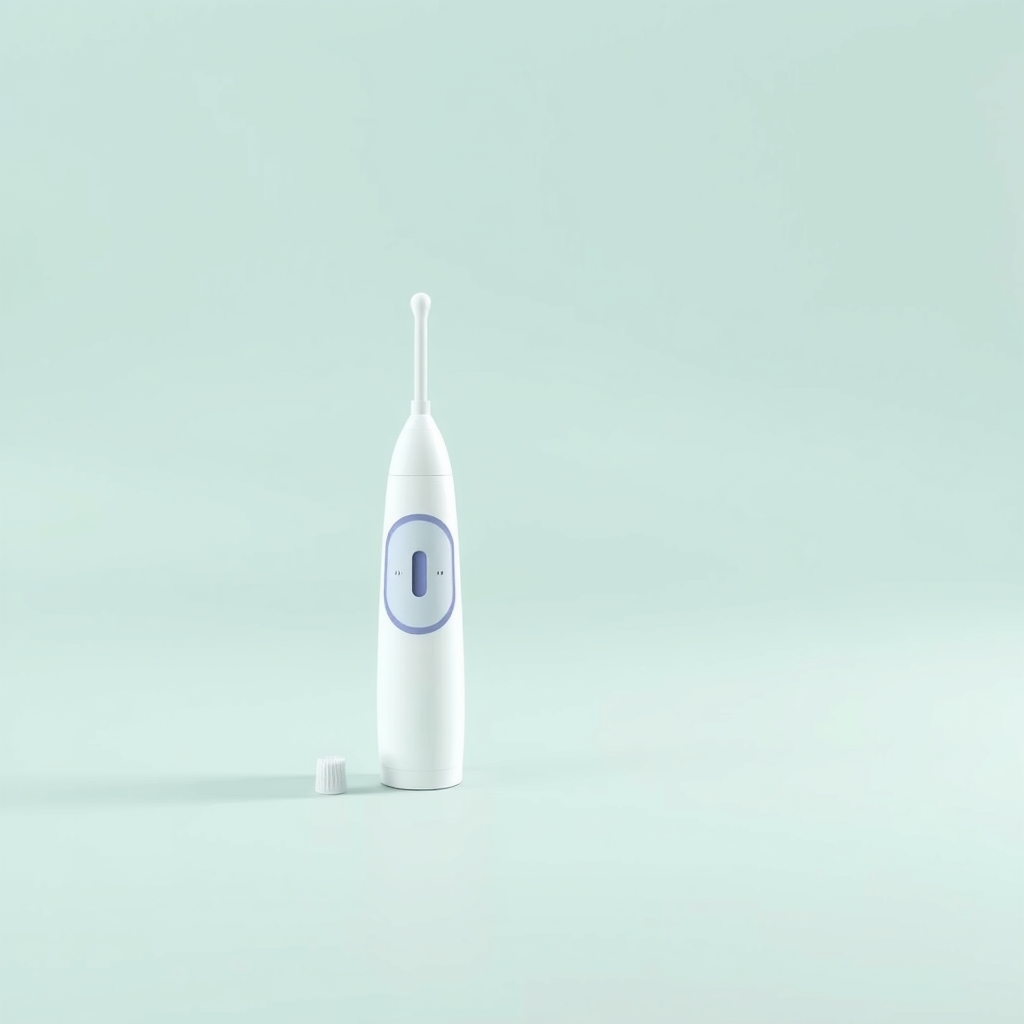
A water flosser uses a steady, pulsating stream of water to flush out debris and loosen plaque along the gumline and between teeth. It does not scrape the tooth surface the way floss does, but it is very effective at rinsing away food particles and reducing gum irritation caused by bacteria buildup.
Effectiveness for Gum Health
Both tools can support healthy gums, but they are not identical in what they achieve.
- String floss is better at removing sticky, mature plaque that has started to harden along the tooth surface, especially in tight contact points between teeth.
- Water flossers are gentler on inflamed or bleeding gums and are often easier for people with sensitive gum tissue, arthritis, or limited hand movement.
- Research generally shows water flossers reduce gum bleeding and inflammation effectively, while string floss remains the more reliable option for plaque removal at the tooth surface itself.
For most patients we see at our Sector 10A clinic, the healthiest approach is using both, string floss for the mechanical clean and a water flosser as an add-on for flushing and gum comfort.
Who Benefits More from a Water Flosser
- People with braces, bridges, or dental implants where string floss is harder to manoeuvre
- Patients with sensitive or bleeding gums who find string floss uncomfortable
- Anyone with limited dexterity, such as older adults or those with arthritis
Who Benefits More from String Floss
- People with tightly spaced teeth needing precise plaque removal
- Patients who want a low-cost, travel-friendly option
- Anyone comfortable with the technique and consistent with daily use
Ease of Use
String floss requires some practice. Many people find it fiddly at first, and it is easy to either be too rough on the gums or too gentle to be effective. A water flosser is generally more beginner-friendly since the water pressure does most of the work, though it does need counter space, water refills, and occasional cleaning of the reservoir.
Travel is another consideration. String floss fits in a pocket or handbag, while a water flosser needs a plug point or a charged battery, which matters if you travel often for work between Gurugram and other cities.
Cost Comparison
| Factor | String Floss | Water Flosser |
|---|---|---|
| Upfront cost | Very low, typical range Rs. 30 to Rs. 150 per pack | Higher upfront cost, typical range Rs. 1,500 to Rs. 6,000 depending on brand and features |
| Ongoing cost | Needs regular repurchasing | Occasional replacement tips, low running cost after purchase |
| Maintenance | None | Requires cleaning the unit and reservoir periodically |
These are only typical ranges seen around Sector 10A and can vary based on brand, features, and where you buy from. String floss remains the more budget-friendly daily habit, while a water flosser is more of a one-time investment that pays off over months of use.
Our Practical Recommendation
If you can only pick one, string floss still edges ahead for plaque removal on natural teeth with normal spacing. If you have gum sensitivity, braces, implants, or simply find string floss too difficult to use consistently, a water flosser is a genuinely good alternative that is far better than not flossing at all.
The best outcome for your gum health, though, is combining both, using string floss most days and a water flosser as a helpful addition, especially after meals or before bed. If you are unsure which routine suits your teeth and gum condition, our dental team at Singal's Cosmodentz Dental Clinic in Sector 10A can guide you based on a simple gum health check.
Have questions about your teeth?
Singal's Cosmodentz Dental Clinic · Sector 10A, Gurugram
Frequently asked questions
Can a water flosser fully replace string floss?
For most people, no. Water flossers are excellent at flushing out debris and reducing gum inflammation, but string floss gives a tighter mechanical scrape against the tooth surface that removes sticky plaque more thoroughly. Many dentists suggest using both, or a water flosser if string floss is genuinely not being used at all.
Are water flossers safe for people with braces or implants?
Yes, water flossers are generally well suited for braces, bridges, and implants because they clean around wires and under connectors without the risk of snapping floss or getting it stuck. Use a gentle pressure setting and follow your dentist's guidance.
Does a water flosser help with bad breath?
It can help, since it flushes out food particles and bacteria from between teeth and along the gumline, which are common sources of odour. It works best alongside regular brushing and tongue cleaning.
How often should I use a water flosser or string floss?
Once a day is generally recommended for either method, ideally before or after brushing at night. Consistency matters more than the exact tool, so choose the one you will actually use daily.
Treatment costs mentioned on this page are indicative ranges for the Sector 10A, Gurugram region. Your exact cost depends on your case and will be confirmed after a clinical examination at the clinic.