Dental Sealants for Children: Protecting Little Molars from Cavities
Children's back teeth, called molars, have deep grooves and pits that are perfect hiding spots for food particles and bacteria. Even with good brushing habits, these narrow grooves can be hard for a toothbrush to clean completely. This is where dental sealants come in as a simple, effective way to protect young teeth from decay.
What Are Dental Sealants?
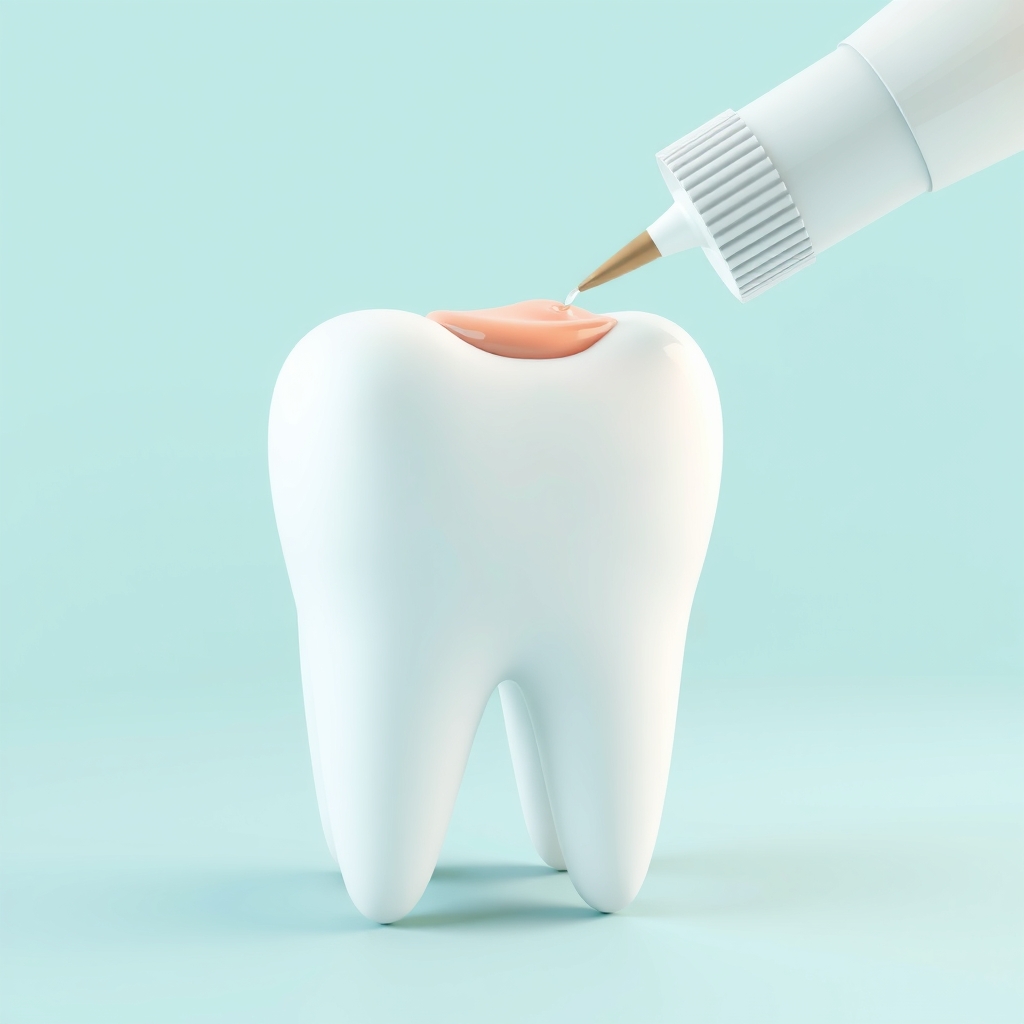
A dental sealant is a thin, protective coating applied to the chewing surfaces of back teeth, usually the molars and premolars. Made of a tooth colored or clear resin material, the sealant flows into the deep grooves of the tooth and hardens to form a smooth, protective barrier. This barrier keeps food and bacteria from settling into the grooves where cavities most often begin.
Why Molars Need Extra Protection
Molars have a naturally uneven surface with pits and fissures that are narrower than a single bristle of a toothbrush. Bacteria and plaque can settle into these tiny spaces and stay there even after brushing. Over time, this can lead to cavities, especially in children who are still learning proper brushing technique. Sealants smooth over these grooves, making the tooth surface much easier to keep clean.
How Sealants Protect Against Cavities
Once applied, a sealant acts as a shield over the vulnerable parts of the tooth. It does not stop cavities everywhere in the mouth, but it significantly reduces the risk of decay on the chewing surfaces where it is applied. This makes sealants a useful preventive step, particularly for children who have just gotten their first or second set of permanent molars.
- Covers deep grooves that toothbrush bristles often miss
- Creates a smooth surface that is easier to keep clean
- Reduces the chances of early decay in newly erupted molars
- Works well alongside fluoride and good brushing habits
The Application Process
Applying dental sealants is quick, painless, and does not involve any drilling or injections. Most children tolerate the process well, and it usually takes just a few minutes per tooth. The steps generally include:
- Cleaning the tooth: The tooth surface is cleaned and dried thoroughly.
- Preparing the surface: A mild solution is applied to help the sealant bond properly, then rinsed off.
- Applying the sealant: The liquid sealant material is painted directly into the grooves of the tooth.
- Hardening the sealant: A special curing light is used to harden the material within seconds, forming a solid protective layer.
The child can eat and drink normally right after the appointment, and there is no downtime involved.
How Long Do Sealants Last?
Sealants are durable but not permanent. With normal chewing, they typically hold up well for three to five years, and sometimes longer. Regular dental checkups allow the dentist to monitor the sealant's condition and reapply it if it wears down or chips, ensuring continued protection during the years when children are most cavity prone.
Sealants Are Not a Substitute for Daily Care
While sealants offer strong added protection, they work best as part of a complete oral hygiene routine. Children should still brush twice daily with fluoride toothpaste, floss regularly, and visit the dentist for routine checkups and cleanings. Sealants protect specific tooth surfaces, but other areas like the front teeth and spaces between teeth still need regular brushing and flossing.
Cost of Dental Sealants in Sector 10A, Gurugram
The cost of dental sealants depends on the number of teeth being treated and the material used. In Sector 10A, Gurugram, the typical range for dental sealants is approximately Rs 800 to Rs 1,800 per tooth. Many parents choose to have sealants applied on all four first permanent molars, so it helps to ask for a full treatment estimate during the consultation. Actual pricing depends on your child's specific needs, so please treat this as a general guide rather than a fixed price.
| Factor | How It Affects Cost |
|---|---|
| Number of teeth treated | More molars sealed means a higher overall cost |
| Material used | Different resin materials can vary slightly in price |
| Additional cleaning needs | Extra cleaning before application may add to the visit |
Is Your Child a Good Candidate?
Most children benefit from sealants once their first permanent molars erupt, typically around age 6, and again when the second molars come in around age 12. Children with deep grooves in their molars or a history of cavities are especially good candidates. A dental checkup can help determine the right timing for your child based on how their teeth have developed.
If you are a parent in Sector 10A, Gurugram looking for a simple way to add extra cavity protection for your child, a conversation with your family dentist about sealants is a good place to start. Early prevention can help your child enjoy stronger, healthier teeth for years to come.
Have questions about your teeth?
Singal's Cosmodentz Dental Clinic · Sector 10A, Gurugram
Frequently asked questions
At what age should children get dental sealants?
Most children get sealants soon after their permanent first molars come in, usually around age 6, and again around age 12 when the second molars erupt. Your dentist will check readiness at routine visits.
Do sealants hurt or need drilling?
No. Sealant application is painless and does not require drilling or anesthesia. It simply involves cleaning the tooth and painting on a protective coating that hardens with a special light.
How long do dental sealants last?
Sealants typically last three to five years with normal chewing, though many hold up longer. Your dentist checks them at regular checkups and can reapply if needed.
Can sealants replace brushing and flossing?
No. Sealants add an extra layer of protection but do not replace daily brushing, flossing, and regular dental visits. They work best as part of a complete oral care routine.
Treatment costs mentioned on this page are indicative ranges for the Sector 10A, Gurugram region. Your exact cost depends on your case and will be confirmed after a clinical examination at the clinic.