Dental X-Rays Explained: Types, Safety and Costs
If your dentist has suggested an X-ray, it is natural to wonder why it is needed, whether it is safe, and what it will cost. Dental X-rays are one of the most useful diagnostic tools in dentistry because they show what is happening beneath the gums and inside the teeth, areas a visual check alone cannot reveal. Here is a plain-English guide for patients in Sector 10A, Gurugram.
Why Dental X-Rays Are Needed
Many dental problems develop silently below the surface. X-rays help your dentist spot issues early, before they cause pain or become expensive to treat.
- Cavities forming between teeth, not visible to the naked eye
- Bone loss around teeth from gum disease
- Infections or abscesses at the tooth root
- Impacted wisdom teeth or extra teeth
- Position of teeth before braces or aligners
- Planning for implants, root canals, or extractions
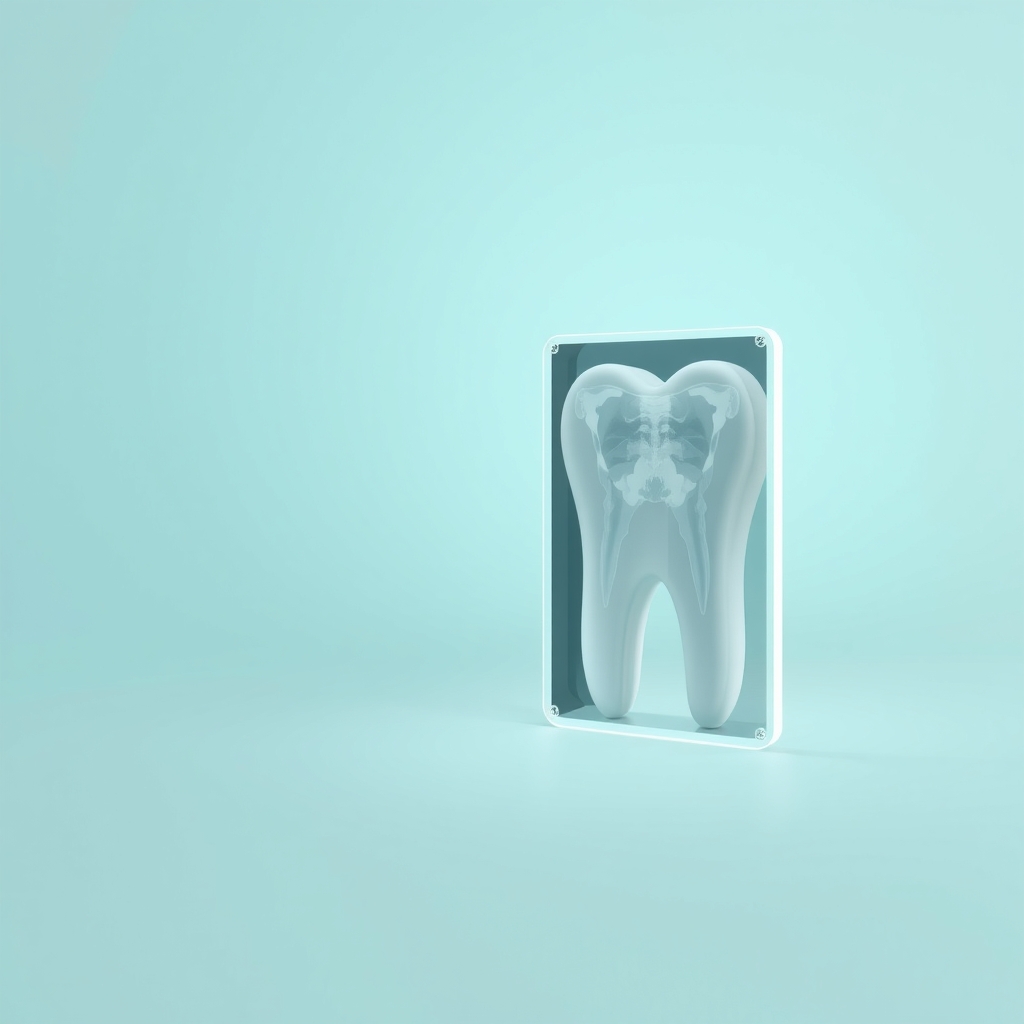
Common Types of Dental X-Rays
Bitewing X-Rays
These show the upper and lower back teeth in one image and are mainly used to check for cavities between teeth and early bone changes near the gums. They are quick and commonly taken during routine check-ups.
Periapical X-Rays
These capture the entire tooth from crown to root tip, useful for detecting infections, abscesses, or bone loss around a single tooth. They are often taken when a patient has pain in one specific area.
Panoramic X-Rays (OPG)
A single wide image showing all teeth, jaws, sinuses, and joints. This is commonly used before wisdom tooth removal, orthodontic treatment planning, or to get an overall view of oral health.
CBCT (Cone Beam CT) Scan
A detailed 3D scan used for complex cases such as implant planning, assessing impacted teeth, or evaluating jaw structures in more depth. It gives far more information than a standard 2D X-ray but is used only when necessary.
Occlusal X-Rays
These show a larger view of the floor of the mouth or roof of the mouth, sometimes used to check the development of teeth in children or locate extra teeth.
How Safe Is the Radiation Exposure?
Dental X-rays use very low doses of radiation. Modern digital X-ray machines have further reduced exposure compared to older film-based systems. To put it in perspective, a single dental X-ray typically involves less radiation than what a person naturally receives from the environment over a day or two.
Dental clinics also follow standard safety practices:
- Lead aprons and thyroid collars to shield the body
- Digital sensors that need less radiation than traditional film
- X-rays taken only when clinically necessary, not as a routine habit
For most patients, including children (with appropriate precautions), occasional dental X-rays are considered safe when recommended by a qualified dentist.
Typical Costs in Sector 10A, Gurugram
Costs can vary based on the type of X-ray, the equipment used, and whether it is a single image or a full-mouth scan. Here is a general idea of the typical range patients can expect at clinics in Gurugram.
| Type of X-Ray | Typical Range (INR) |
|---|---|
| Single bitewing or periapical X-ray | 150 to 400 |
| Full mouth series (multiple images) | 800 to 1,800 |
| Panoramic X-ray (OPG) | 500 to 1,200 |
| CBCT (3D scan) | 2,500 to 6,000 |
These figures are indicative only. Actual costs depend on the clinic, the equipment, and your specific case, so it is best to confirm details during your visit.
When Should You Ask for an X-Ray?
You do not need to request an X-ray on your own. Your dentist will recommend one if it is needed to diagnose a problem accurately, such as unexplained tooth pain, swelling, suspected bone loss, or before procedures like root canals, extractions, or implants. If you are unsure why an X-ray is being suggested, it is always fair to ask your dentist to explain what they expect to find.
Patients near Sector 10A, Gurugram looking for a clear explanation of their dental X-ray findings can visit Singal's Cosmodentz Dental Clinic, where the images are reviewed and discussed in simple terms before any treatment is planned.
Have questions about your teeth?
Singal's Cosmodentz Dental Clinic · Sector 10A, Gurugram
Frequently asked questions
Are dental X-rays safe during pregnancy?
Routine dental X-rays are generally avoided in pregnancy unless there is a dental emergency. If needed, a lead apron and thyroid collar are used to protect the abdomen and neck, and the dose to the baby is negligible. Always tell your dentist if you are pregnant so they can decide if it can wait.
How often should I get dental X-rays?
This depends on your oral health, age, and risk of cavities or gum disease. Many patients need bitewing X-rays once every 12 to 24 months, while others with ongoing treatment or higher risk may need them more often. Your dentist will suggest a schedule based on your history.
Can I see my old X-rays instead of retaking new ones?
Yes, if your previous X-rays are recent, clear, and cover the area of concern, most dentists can use them instead of repeating the scan. Bring digital copies or ask your previous clinic to share them before your visit.
Do dental X-rays hurt?
No. The process is painless. You may feel mild discomfort from biting on the small sensor or film, especially if you have a sensitive gag reflex, but it lasts only a few seconds.
Treatment costs mentioned on this page are indicative ranges for the Sector 10A, Gurugram region. Your exact cost depends on your case and will be confirmed after a clinical examination at the clinic.