Electric vs Manual Toothbrush: Which One Should You Choose?
One of the most common questions we hear from patients in Sector 10A, Gurugram is whether they should switch to an electric toothbrush or stick with a manual one. Both can keep your teeth clean when used correctly, but they differ in ease of use, cost, and suitability for certain conditions. Here is a straightforward comparison to help you decide.
Cleaning Effectiveness
Manual toothbrushes rely entirely on your technique. If you brush with the right angle, gentle pressure, and cover all surfaces for two minutes, they clean very well. However, many people brush too hard, too fast, or miss spots without realising it.
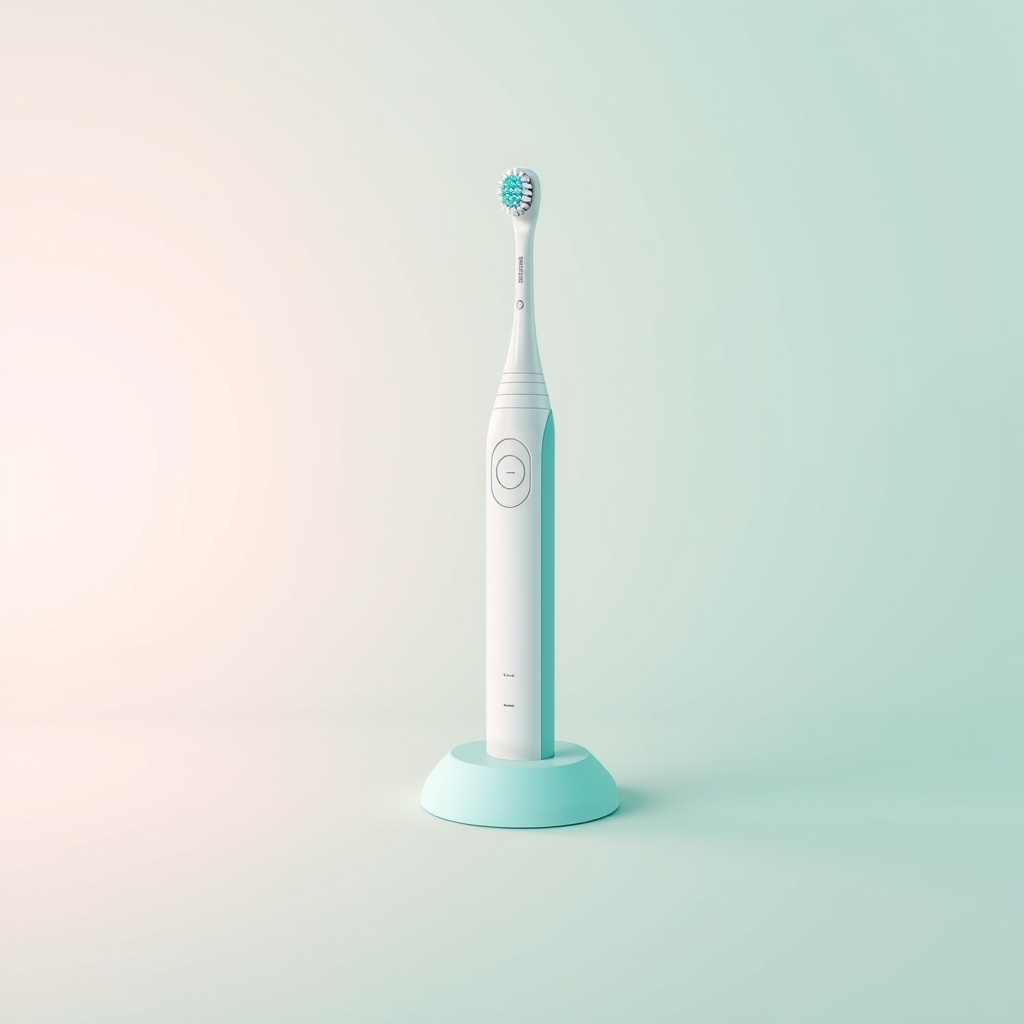
Electric toothbrushes, particularly oscillating-rotating or sonic types, do the movement for you. Research generally shows they can reduce plaque and gum inflammation slightly more than manual brushing over months of regular use. The difference is often modest, not dramatic, but it can matter for patients with gum disease risk or limited dexterity.
Where Electric Brushes Have an Edge
- Built-in timers ensure you brush for the full two minutes
- Pressure sensors alert you if you are brushing too hard, protecting enamel and gums
- Consistent brush stroke reduces the impact of poor technique
- Helpful for people with arthritis, limited hand mobility, or braces
Where Manual Brushes Hold Their Own
- No charging, batteries, or replacement parts beyond the brush itself
- Easy to travel with and replace anywhere
- Effective when technique is good and brushing time is respected
- Simple for children learning basic brushing habits
Cost Comparison
Cost is often the deciding factor for many families in Sector 10A. Here is a general, honest comparison. The typical range can vary based on brand and features.
| Type | Typical Range (Initial Cost) | Ongoing Cost |
|---|---|---|
| Manual toothbrush | Typical range: Rs. 30 to Rs. 150 per brush | Replace every 3 months, low ongoing cost |
| Basic electric toothbrush | Typical range: Rs. 800 to Rs. 2,500 | Replacement heads typical range: Rs. 150 to Rs. 400 each |
| Premium electric toothbrush | Typical range: Rs. 3,000 to Rs. 10,000+ | Replacement heads typical range: Rs. 300 to Rs. 700 each |
Manual brushes are lighter on the wallet upfront and long term. Electric brushes cost more initially and need periodic head replacements, but many patients feel the investment is worthwhile for the added consistency and features.
Suitability for Different Oral Health Needs
Choosing between electric and manual often comes down to your specific situation rather than which is universally better.
Consider an Electric Toothbrush If You Have
- Gum disease or a history of bleeding gums
- Braces, aligners, or dental implants needing thorough, gentle cleaning
- Limited hand or wrist mobility due to arthritis or other conditions
- A tendency to brush too hard, causing gum recession
- Difficulty maintaining consistent brushing habits and want a timer to help
A Manual Toothbrush May Suit You If
- You already have solid brushing technique and habits
- You prefer a simple, low-maintenance option
- You travel often and want something easy to carry or replace
- Budget is a primary concern
What Matters More Than the Brush Itself
Regardless of which type you choose, a few habits make the biggest difference to your oral health:
- Brush twice daily for a full two minutes
- Use a soft-bristled brush or head to protect enamel and gums
- Replace the brush or head every three months
- Floss or use interdental brushes daily, since brushing alone does not clean between teeth
- Visit your dentist regularly for checkups and professional cleaning
At Singal's Cosmodentz Dental Clinic in Sector 10A, Gurugram, we often assess brushing technique during routine checkups and can recommend whether an electric brush would genuinely benefit your specific gum or tooth condition. Neither option is universally superior, the right choice depends on your habits, budget, and oral health needs.
If you are unsure which toothbrush type suits your mouth best, or if you have ongoing issues like bleeding gums or sensitivity, feel free to call us at +91 86830 28383 to discuss your options with our team.
Have questions about your teeth?
Singal's Cosmodentz Dental Clinic · Sector 10A, Gurugram
Frequently asked questions
Is an electric toothbrush really better than a manual one?
Studies show electric toothbrushes, especially oscillating-rotating types, can remove slightly more plaque and reduce gum inflammation a bit more than manual brushing over time. But a manual brush used correctly for two minutes twice a day still cleans effectively for most people.
How often should I change my toothbrush or brush head?
Every three months, or sooner if the bristles look frayed. This applies to both manual brushes and electric brush heads.
Are electric toothbrushes safe for people with braces or sensitive teeth?
Yes, most are safe and often gentler due to built-in pressure sensors. Choose a soft-bristle head and, if you have braces, ask us about brush heads designed for orthodontic care.
Can children use electric toothbrushes?
Yes, many kids' electric brushes with timers are available and can make brushing more fun, encouraging better habits. Supervision is still needed for younger children.
Treatment costs mentioned on this page are indicative ranges for the Sector 10A, Gurugram region. Your exact cost depends on your case and will be confirmed after a clinical examination at the clinic.