Oral Hygiene and Hydration Tips for Fasting Season
Festival fasting during Navratri, Karva Chauth, or Ramzan is a time of devotion, but it can be tough on your teeth and gums. Long hours without food or water reduce saliva flow, which naturally protects your mouth from bacteria and acid. This often leads to bad breath, dry mouth, and a higher risk of cavities. At Singal's Cosmodentz Dental Clinic in Sector 10A, Gurugram, we see more patients with these concerns during festival seasons. Here is a practical guide to keep your mouth healthy while you fast.
Why Fasting Affects Your Oral Health
Saliva plays a big role in oral health. It washes away food particles, neutralises acids produced by bacteria, and keeps your mouth moist. During fasting, especially long fasts like Ramzan roza or a full-day Karva Chauth vrat, saliva production drops. This creates a drier environment where bacteria multiply faster, leading to bad breath and a higher chance of plaque building up on teeth.
Oral Hygiene Tips Before Your Fast Begins
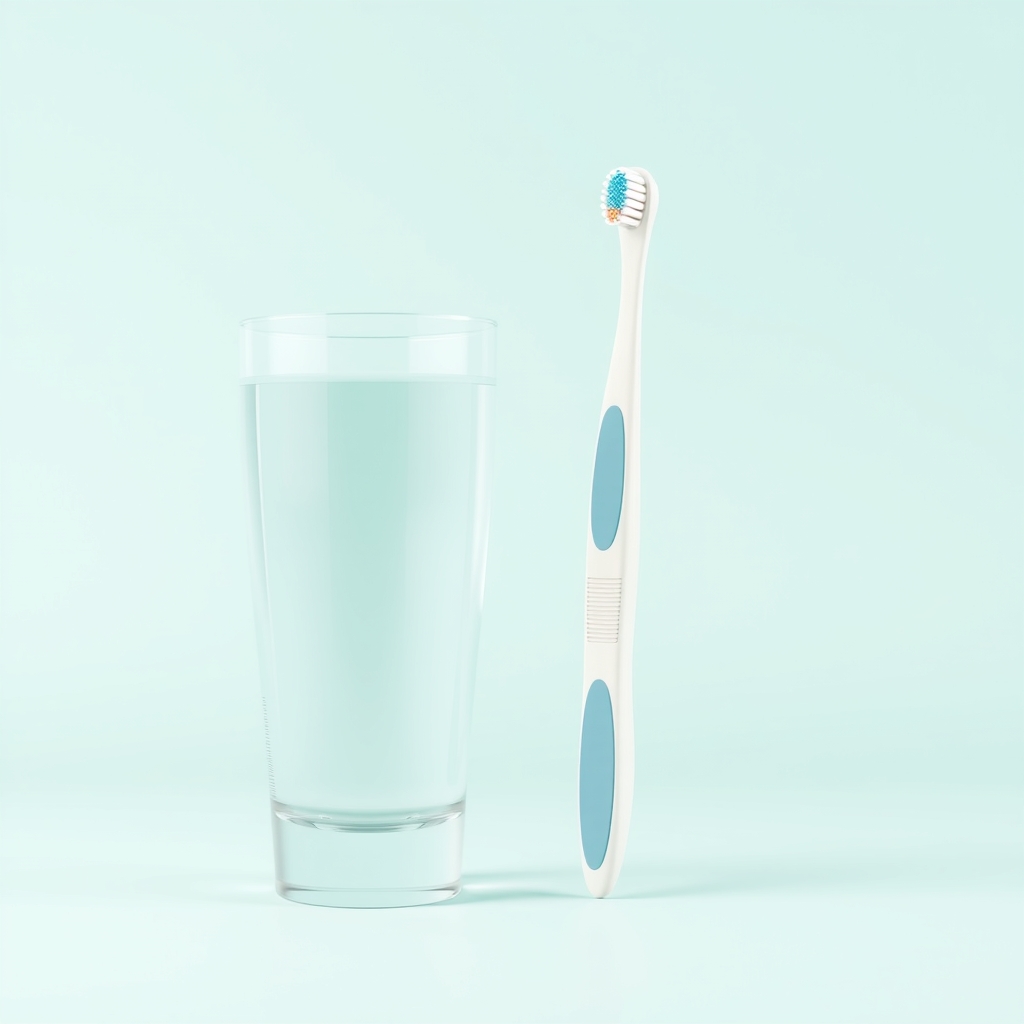
- Brush your teeth gently but thoroughly before sehri or your pre-fast meal, including your tongue.
- Floss once to remove food particles stuck between teeth that could sit there for hours.
- Avoid sugary foods right before the fast, as sugar residue feeds bacteria through the day.
- Drink enough water during the pre-fast window instead of only tea or coffee, which can be dehydrating.
During the Fasting Hours
Since you cannot eat, drink, or rinse your mouth during fasting hours in Ramzan or during strict Karva Chauth and Navratri vrats, focus on habits that reduce dryness and bacterial buildup without breaking the fast.
- Breathe through your nose rather than your mouth where possible, since mouth breathing dries out the mouth faster.
- Avoid smoking, as it worsens dry mouth and bad breath significantly.
- If your fast allows brief rinsing without swallowing, a quick rinse with plain water can help.
- Chewing sugar-free gum is sometimes used to stimulate saliva, but check if this fits your specific fasting rules first.
After Breaking Your Fast
The hours after iftar or after breaking a vrat are important for catching up on hydration and cleaning your mouth properly.
- Rinse your mouth with water soon after eating to clear away food debris.
- Brush at least once after your main meal, ideally waiting around 30 minutes if you have eaten something acidic like citrus fruits or chaat.
- Floss daily to remove particles that brushing alone may miss, especially after rich festive foods.
- Drink water steadily through the evening rather than all at once, to keep saliva flow consistent.
Foods and Drinks That Help or Hurt
| Helpful choices | Choices to limit |
|---|---|
| Water, coconut water, buttermilk | Sugary sherbets and sweetened drinks |
| Fresh fruits like watermelon, cucumber | Fried and sticky festive sweets |
| Dates in moderation (common at iftar) | Excess tea or coffee, which can dehydrate |
| Yoghurt and dairy for saliva-friendly minerals | Very acidic or spicy foods late at night |
Managing Bad Breath During Fasting
Bad breath during fasting, sometimes called "roza breath" or similar during vrats, is common and usually not a sign of poor hygiene. It happens because of reduced saliva and an empty stomach. Cleaning your tongue gently with a tongue scraper during your brushing routine, staying hydrated when you can, and avoiding strong-smelling foods like garlic or onion at your last meal before fasting can help reduce this.
When to See a Dentist
Occasional dry mouth and mild bad breath during fasting periods are usually manageable with the tips above. However, if you notice persistent tooth pain, bleeding gums, mouth sores that do not heal, or bad breath that does not improve even after good hygiene and proper hydration, it is worth getting checked. Patients in Sector 10A, Gurugram can visit Singal's Cosmodentz Dental Clinic for a routine check before or during the festival season to catch any issues early, especially if you plan to fast for multiple days.
Festivals are meant to be enjoyed, and a little extra attention to your oral care routine can help you get through Navratri, Karva Chauth, or Ramzan comfortably, without compromising your dental health.
Have questions about your teeth?
Singal's Cosmodentz Dental Clinic · Sector 10A, Gurugram
Frequently asked questions
Why does my mouth smell worse than usual when I am fasting?
When you are not eating or drinking for long hours, saliva production slows down. Saliva normally washes away bacteria and food particles, so less saliva means bacteria build up faster on the tongue and teeth, causing bad breath.
Can I use mouthwash while fasting during Ramzan?
Many people prefer to avoid swallowing anything during fasting hours, including mouthwash. If you are concerned, use an alcohol-free mouthwash during non-fasting hours, and rely on brushing, tongue cleaning, and water intake at suhoor and iftar instead.
Is it normal to feel more tooth sensitivity during fasting periods?
Mild sensitivity can happen due to reduced saliva flow and less frequent rinsing of the mouth. If sensitivity is sharp, lasts long, or affects one specific tooth, it is best to get it checked rather than assume it is only due to fasting.
How much water should I drink during non-fasting hours to protect my teeth?
There is no single fixed number for everyone, but spreading your water intake evenly between iftar/suhoor or your non-fasting hours, rather than drinking it all at once, helps keep your mouth hydrated for longer and supports saliva flow.
Treatment costs mentioned on this page are indicative ranges for the Sector 10A, Gurugram region. Your exact cost depends on your case and will be confirmed after a clinical examination at the clinic.