Periodontal Disease and Cardiovascular Health: Understanding the Connection
Many patients in Sector 10A, Gurugram are surprised to learn that the health of their gums may be connected to the health of their heart. While gum disease and cardiovascular disease are two very different conditions, years of research suggest a meaningful link between them. Understanding this connection can help you take better care of both your smile and your heart.
What Is Periodontal Disease?
Periodontal disease, commonly known as gum disease, is a bacterial infection of the tissues that support your teeth. It usually begins as gingivitis, with red, swollen, or bleeding gums, and can progress to periodontitis, where the infection affects the bone and ligaments holding teeth in place. Left untreated, it can lead to loose teeth and tooth loss.
The Science Behind the Gum-Heart Connection
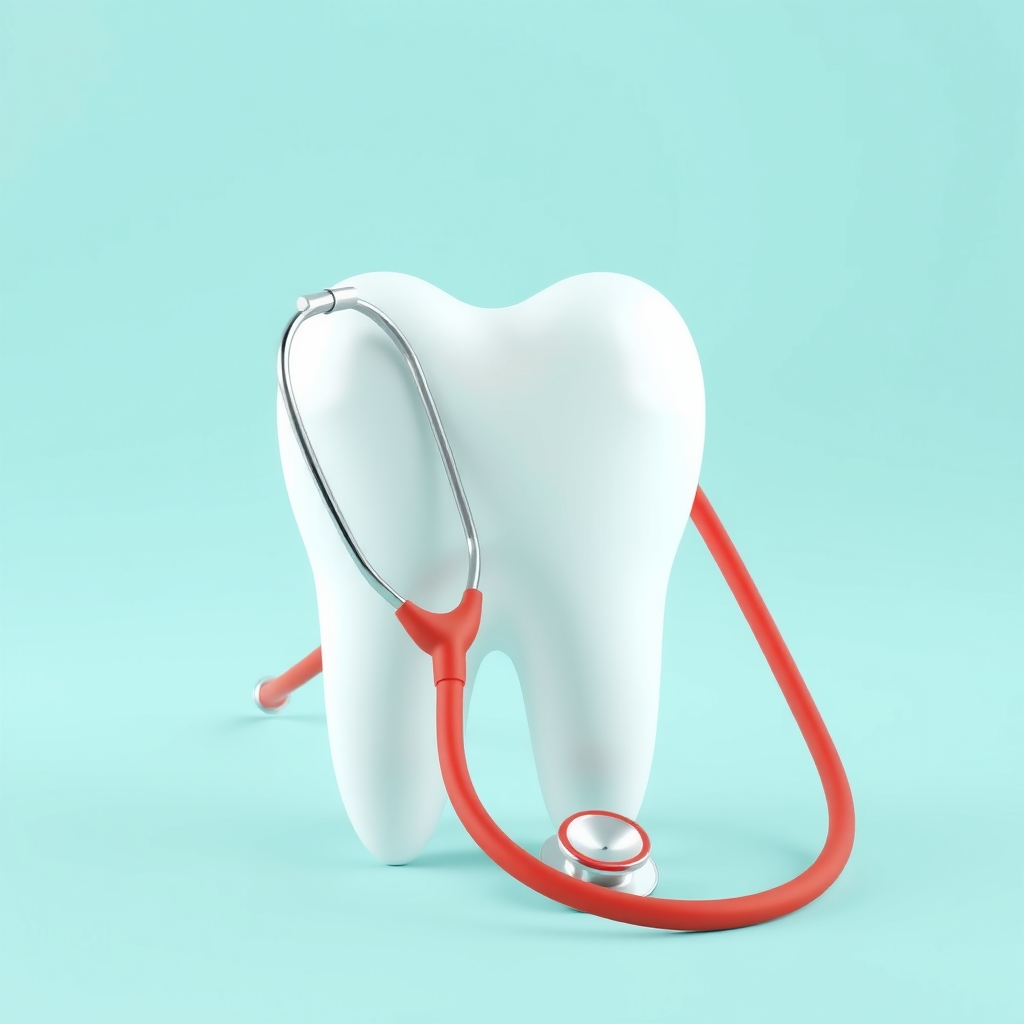
Several studies have observed that people with periodontal disease have a higher likelihood of developing cardiovascular problems compared to those with healthy gums. While the exact biological pathway is still being studied, researchers believe a few mechanisms may be involved.
- Bacterial spread: Bacteria from infected gums can enter the bloodstream through inflamed tissue, potentially reaching blood vessels elsewhere in the body.
- Chronic inflammation: Gum disease causes ongoing low-grade inflammation. This same type of inflammation is also considered a contributing factor in the buildup of plaque inside arteries.
- Shared risk factors: Smoking, diabetes, and poor diet increase the risk of both gum disease and heart disease, which may partly explain why the two conditions often appear together.
It is important to understand this as an association, not a proven direct cause. Having gum disease does not mean you will definitely develop heart problems, but taking care of your gums is a sensible part of protecting your overall health.
Why This Matters More for Heart Patients
If you already have a cardiovascular condition, maintaining good oral health becomes even more important. Patients with heart disease often have weaker immune responses to infection, and inflammation from gum disease may add further strain. Additionally, some heart medications, such as blood thinners, can affect how your gums respond to dental treatment and how bleeding is managed during procedures.
Dental Care Tips for Patients With Heart Conditions
- Inform your dentist about your heart condition, medications, and any heart surgeries or valve replacements before any dental treatment.
- Keep your cardiologist informed if you are planning major dental procedures, especially extractions or gum surgery.
- Maintain a consistent oral hygiene routine with twice-daily brushing and daily interdental cleaning, such as flossing.
- Avoid skipping routine dental check-ups, as early gum disease is easier to manage than advanced stages.
- Do not stop or adjust heart medications on your own before a dental visit. Your dentist and physician will coordinate if any changes are needed.
- Quit smoking if you smoke, as it is a major risk factor for both gum disease and heart disease.
Signs of Gum Disease to Watch For
Catching gum problems early can make treatment simpler and protect your overall health. Common signs include:
- Gums that bleed during brushing or flossing
- Persistent bad breath
- Red, swollen, or tender gums
- Gums that appear to be pulling away from teeth
- Loose or shifting teeth
If you notice any of these signs, it is best to schedule a dental check-up rather than waiting for symptoms to worsen.
How Gum Disease Is Typically Managed
Treatment depends on how advanced the gum disease is. Early gingivitis often improves with professional cleaning and better home care. More advanced periodontitis may require deeper cleaning procedures such as scaling and root planing, and in some cases, further periodontal treatment. For heart patients, your dental team will take extra care in planning treatment timing and managing any bleeding risk linked to blood-thinning medication.
| Stage | Typical Approach |
|---|---|
| Gingivitis | Professional cleaning, improved home oral hygiene |
| Mild to moderate periodontitis | Scaling and root planing, closer monitoring |
| Advanced periodontitis | Specialised periodontal treatment, coordinated medical care |
A Team Approach to Your Health
Caring for patients with heart conditions works best when your dentist and cardiologist are on the same page. At our clinic in Sector 10A, Gurugram, we take a detailed medical history before planning any treatment and coordinate with your physician whenever needed. This helps ensure dental care is both effective and safe for patients managing cardiovascular conditions.
Looking after your gums is a simple, practical step that supports your overall wellbeing. Regular dental visits, consistent home care, and open communication between your dental and medical providers can go a long way in protecting both your smile and your heart.
Have questions about your teeth?
Singal's Cosmodentz Dental Clinic · Sector 10A, Gurugram
Frequently asked questions
Does gum disease directly cause heart attacks?
No. Research shows an association between gum disease and cardiovascular risk, but it has not been proven as a direct cause. Shared risk factors like smoking and diabetes also play a role.
Should heart patients avoid dental treatment?
No. Most heart patients can safely undergo dental treatment. It is important to inform your dentist about your condition and medications so appropriate precautions are taken.
Do I need antibiotics before a dental visit if I have a heart condition?
Some patients with specific heart conditions, such as certain valve replacements or past endocarditis, may need antibiotic cover. This is decided by your cardiologist and dentist together, not for all heart patients.
How often should heart patients visit the dentist?
A check-up and cleaning every six months is generally recommended, though your dentist may suggest more frequent visits depending on your gum health and medical history.
Treatment costs mentioned on this page are indicative ranges for the Sector 10A, Gurugram region. Your exact cost depends on your case and will be confirmed after a clinical examination at the clinic.