The Surprising Link Between Gum Disease and Respiratory Health
Most people think of oral health and lung health as two completely separate matters. One concerns teeth and gums, the other concerns breathing and the chest. But medical research over the past two decades has shown these systems are more connected than most patients realise. For elderly adults, bedridden patients, and those with chronic lung conditions, the mouth can quietly become a risk factor for serious respiratory problems.
How Mouth Bacteria Reach the Lungs
The mouth naturally contains hundreds of bacterial species. In a healthy mouth with good hygiene, these bacteria stay in balance. But when plaque builds up along the gumline and between teeth, harmful bacteria multiply rapidly. This is the same bacterial activity that causes gum disease, also known as periodontal disease.
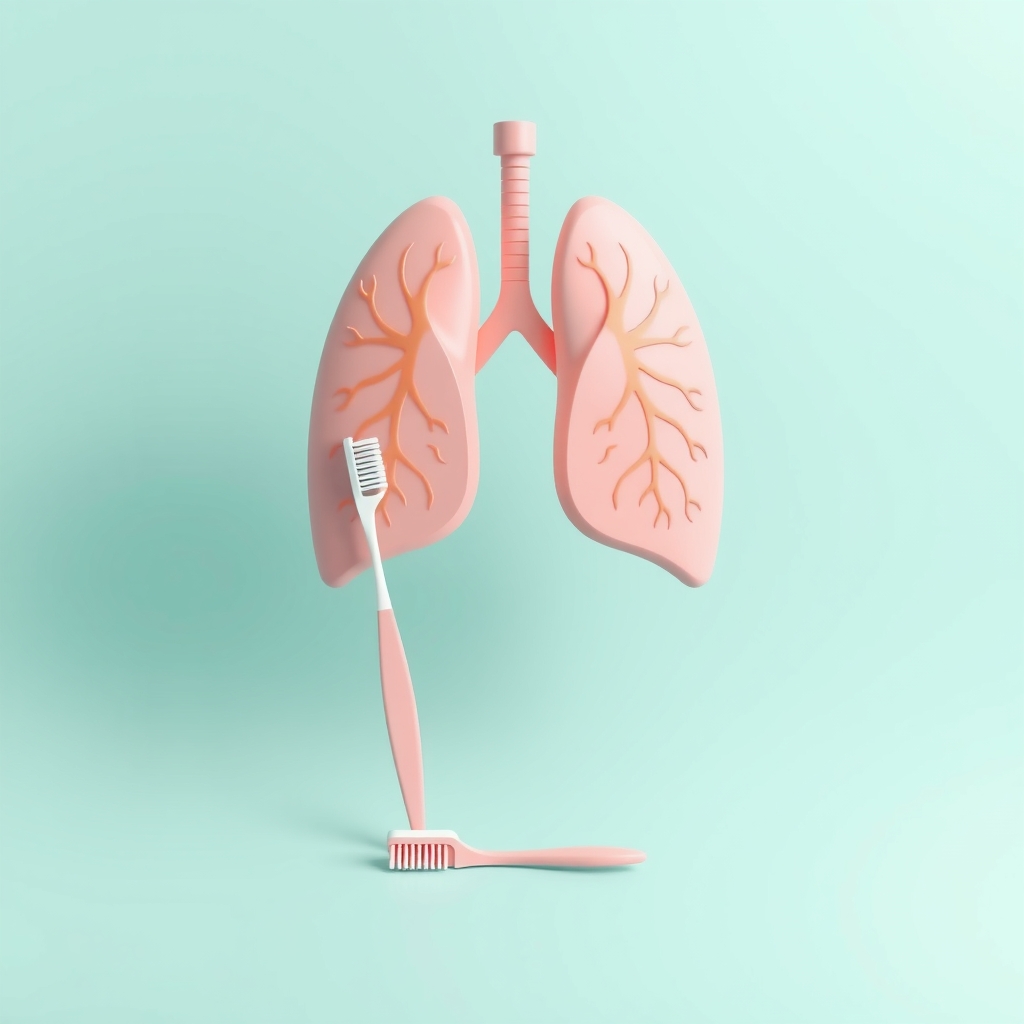
In people who have difficulty swallowing, weakened cough reflexes, or who spend long periods lying down, tiny amounts of saliva containing these bacteria can be inhaled into the airway without the person noticing. This is called microaspiration. Over time, repeated microaspiration of bacteria-laden saliva can introduce harmful organisms directly into the lungs.
The Connection to Pneumonia
Aspiration pneumonia is a lung infection that develops when bacteria, food particles, or saliva are inhaled instead of swallowed properly. Elderly patients, stroke survivors, and those on ventilators or feeding tubes are particularly vulnerable because their swallowing reflex may be impaired.
Studies have found that patients with poor oral hygiene and higher levels of gum disease bacteria have a greater risk of developing pneumonia, particularly in hospital and nursing home settings. The bacteria most commonly associated with gum disease, including certain strains linked to tooth decay and periodontal pockets, have been identified in the lung secretions of pneumonia patients.
Why Elderly and Bedridden Patients Are at Higher Risk
- Reduced saliva flow due to medications, which allows bacteria to multiply more easily
- Weaker immune response to fight off bacterial infections
- Difficulty brushing and flossing independently
- Dentures that are not cleaned or removed regularly
- Lying flat for extended periods, which increases aspiration risk
COPD and Gum Disease: A Two-Way Relationship
Chronic Obstructive Pulmonary Disease, or COPD, already involves inflamed and sensitive airways. Research suggests that oral bacteria and the inflammatory chemicals released during gum disease may contribute to flare-ups, sometimes called exacerbations, in COPD patients. The inflammation in the gums does not stay isolated. It can add to the overall inflammatory burden on the body, which may affect breathing and lung function over time.
At the same time, COPD patients often use inhalers that can dry out the mouth, and may have reduced ability to maintain regular oral care during flare-ups, creating a cycle where each condition can worsen the other.
Signs of Gum Disease Caregivers Should Watch For
| Sign | What It May Indicate |
|---|---|
| Bleeding gums while brushing | Early gum inflammation (gingivitis) |
| Persistent bad breath | Bacterial buildup or infection |
| Loose teeth or receding gums | Advanced periodontal disease |
| Visible plaque or tartar | Need for professional cleaning |
| Dry, coated tongue | Reduced saliva, higher bacterial risk |
Practical Oral Care Steps for At-Risk Patients
- Clean teeth, gums, and tongue twice daily using a soft-bristled brush or foam swab for patients who cannot brush themselves
- Remove and clean dentures every night, and never let a patient sleep with dentures in place
- Keep the head of the bed slightly elevated during and after meals to reduce aspiration risk
- Offer small sips of water after meals to help clear food debris
- Schedule regular dental check-ups, even for patients who are homebound or in care facilities
Why Professional Dental Care Matters Here
Routine professional cleanings remove plaque and tartar that home brushing cannot reach, especially below the gumline where harmful bacteria concentrate. For elderly patients and those with chronic respiratory conditions, this is not just about a healthy smile. It is part of a broader approach to protecting overall health. Families in Sector 10A, Gurugram caring for elderly or bedridden relatives are encouraged to include dental check-ups as part of regular health planning, alongside physician and respiratory care.
If daily brushing has become difficult due to mobility, memory, or medical conditions, a dental team can suggest practical tools and techniques suited to the patient's specific needs.
Have questions about your teeth?
Singal's Cosmodentz Dental Clinic · Sector 10A, Gurugram
Frequently asked questions
Can bad oral hygiene really cause pneumonia?
Poor oral hygiene alone does not directly cause pneumonia, but it increases the bacterial load in the mouth. When these bacteria are inhaled into the lungs, especially in elderly or bedridden people, they can contribute to a type of lung infection called aspiration pneumonia.
Is this risk higher for people who use dentures?
Yes. Dentures that are not cleaned daily or removed at night can build up bacterial plaque and fungal growth, which may be inhaled during sleep. Regular denture hygiene and dental check-ups help reduce this risk.
What is the single most important habit for bedridden patients?
Twice daily mouth cleaning, including the tongue and gums, using a soft brush or oral swab, is the most important habit. Caregivers should also check regularly for ulcers, bleeding, or signs of infection.
Should COPD patients see a dentist even if their teeth feel fine?
Yes. Gum disease can be present with no pain at all in its early stages. Routine dental visits allow early detection and professional cleaning, which can lower the bacterial burden that may affect the airways.
Treatment costs mentioned on this page are indicative ranges for the Sector 10A, Gurugram region. Your exact cost depends on your case and will be confirmed after a clinical examination at the clinic.