How Tongue, Lip, and Cheek Piercings Can Affect Your Teeth and Gums
Tongue, lip, and cheek piercings are a popular way to express personal style, but they sit very close to your teeth, gums, and soft tissues. At Singal's Cosmodentz Dental Clinic in Sector 10A, Gurugram, we occasionally see patients with piercing-related dental problems. This article explains the common risks, practical safety tips, and signs that mean it is time to see a dentist.
Why Oral Piercings Concern Dentists
Jewellery placed on the tongue, lips, or inner cheeks constantly touches teeth and gums when you talk, chew, or sleep. Over months and years, this repeated contact can cause wear and tear that is often gradual and easy to miss until damage is noticeable.
Common Dental and Oral Risks
- Chipped or cracked teeth: Metal studs and barbells clicking against enamel repeatedly can cause small chips that worsen over time.
- Gum recession: Lip and cheek piercings often rub against the gum line, wearing away gum tissue and exposing tooth roots.
- Increased tooth sensitivity: As enamel wears down or gums recede, teeth can become sensitive to hot, cold, or sweet foods.
- Infection risk: The mouth carries a lot of bacteria, so piercing sites can get infected, especially in the first few weeks after piercing.
- Prolonged bleeding or swelling: The tongue and lips have a rich blood supply, so swelling right after piercing is common and needs monitoring.
- Nerve damage: In rare cases, piercing placement can affect nearby nerves, leading to numbness or altered taste that may be temporary or long lasting.
- Speech and chewing difficulty: Jewellery, especially a new or large piece, can interfere with normal tongue movement and chewing.
- Choking or swallowing risk: Loose jewellery pieces can come off and pose a choking hazard, particularly with tongue piercings.
How Damage Develops Over Time
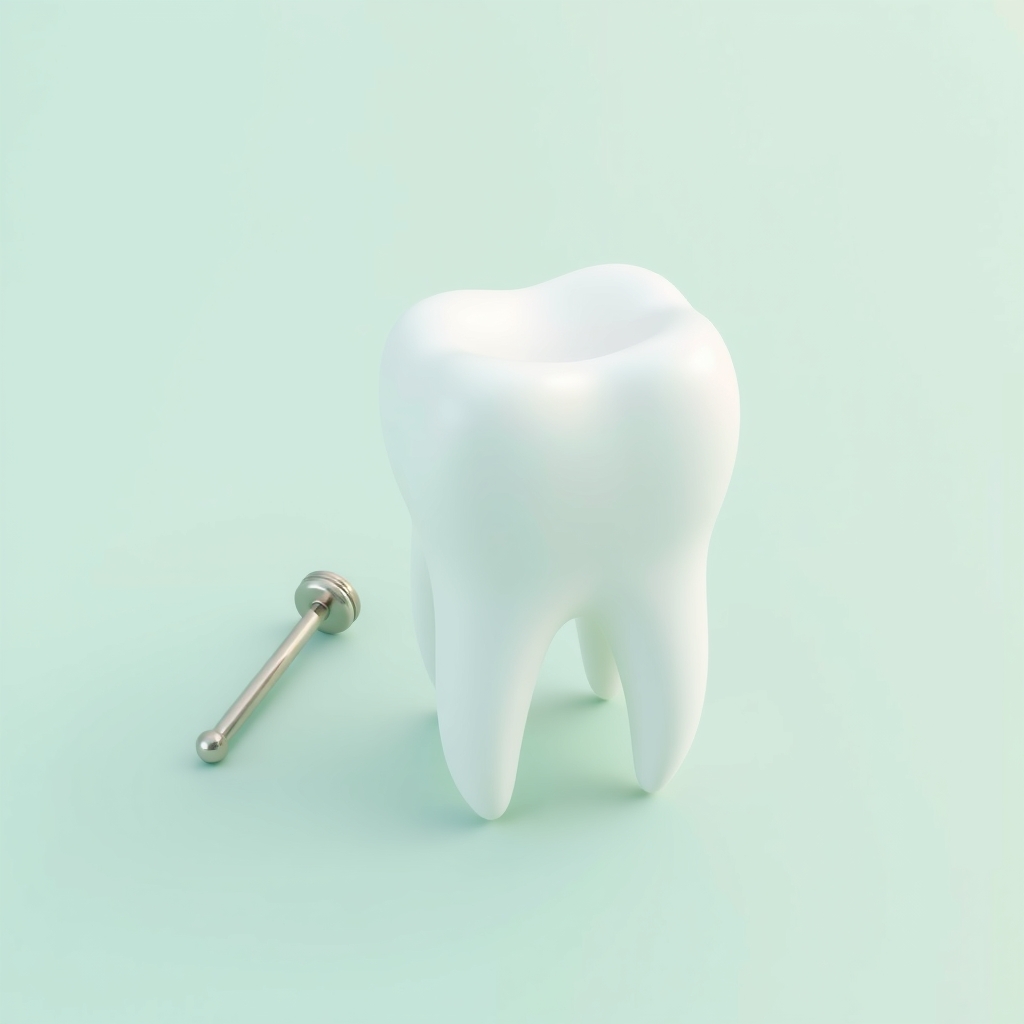
Most complications are not sudden. They build up gradually from habits like clicking the jewellery against teeth, biting down on it, or wearing a barbell that is too long or too tight. The location of the piercing also matters. Piercings placed closer to the gum line or directly against teeth carry higher risk than those positioned further back.
| Piercing Type | Main Dental Risk |
|---|---|
| Tongue | Chipped teeth, tooth wear, choking risk if jewellery loosens |
| Lip | Gum recession near lower front teeth, enamel wear |
| Cheek | Irritation of inner cheek tissue, gum recession near molars |
Safety Tips If You Have or Are Considering an Oral Piercing
- Choose a licensed, experienced piercer who uses sterile equipment and follows proper hygiene protocols.
- Opt for shorter or flatter jewellery once initial swelling settles, to reduce contact with teeth and gums.
- Avoid playing with the jewellery using your teeth or tongue, even when it feels like an automatic habit.
- Clean the piercing site as advised, and maintain regular brushing and flossing to reduce infection risk.
- Remove jewellery during sports or physical activity to avoid injury.
- Check the jewellery regularly for looseness, cracks, or wear.
- Schedule routine dental checkups so early signs of gum recession or enamel wear can be caught and managed before they progress.
When to See a Dentist
You should book a dental visit if you notice any of the following:
- A chipped, cracked, or rough-feeling tooth near the piercing site
- Gums that look like they are pulling away from a tooth or feel tender
- Persistent swelling, pain, or discharge around the piercing
- New tooth sensitivity to temperature or sweets
- Difficulty chewing, speaking, or closing your mouth comfortably
Our dentists at Sector 10A, Gurugram can examine the affected area, assess any enamel or gum damage, and suggest suitable next steps, whether that means monitoring, a protective approach, or referral for further care.
A Balanced View
Oral piercings are a personal choice, and many people wear them safely for years with careful habits and regular dental care. The goal is not to alarm you but to help you make an informed decision and catch any problems early. If you already have a piercing and want a professional check on your teeth and gums, our team is happy to help.
Have questions about your teeth?
Singal's Cosmodentz Dental Clinic · Sector 10A, Gurugram
Frequently asked questions
Can I get a piercing removed if it is already damaging my teeth?
Yes. Removing the jewellery is usually the first step. It will not reverse existing chips or gum recession, but it stops further damage. Your dentist can guide you on repair options if needed.
How long does it take for oral piercings to heal?
Tongue piercings typically take 3 to 6 weeks to heal, while lip and cheek piercings may take 6 to 8 weeks. Swelling, tenderness, and some discharge are normal in the first few days, but it should steadily improve.
Is it safe to keep an oral piercing long term?
Many people wear oral piercings for years without major issues if they follow good hygiene, choose the right jewellery size, and get regular dental checkups. However, some risk of gum recession and enamel wear remains over time.
What should I do if my piercing site looks infected?
See a doctor or dentist promptly if you notice increasing swelling, pus, fever, or severe pain. Infections in the mouth can spread quickly due to the rich blood supply in oral tissues.
Treatment costs mentioned on this page are indicative ranges for the Sector 10A, Gurugram region. Your exact cost depends on your case and will be confirmed after a clinical examination at the clinic.