How Lip, Tongue, and Cheek Piercings Affect Your Oral Health
Lip, tongue, and cheek piercings are a popular form of self-expression, but they sit very close to teeth, gums, and soft tissue that are easily damaged. If you already have an oral piercing or are thinking about getting one, it helps to understand the dental risks involved and how to care for the area properly. This guide from Singal's Cosmodentz Dental Clinic in Sector 10A, Gurugram covers what to watch for and how to protect your smile.
Why Oral Piercings Concern Dentists
The mouth is home to constant movement, saliva, bacteria, and hard tooth surfaces. Metal or acrylic jewellery placed on the tongue, lip, or cheek can rub against teeth and gums thousands of times a day. Over time, this friction and pressure can lead to problems that are not always obvious at first but tend to worsen the longer the piercing stays in place.
Common Dental Risks Linked to Oral Piercings
Chipped or Cracked Teeth
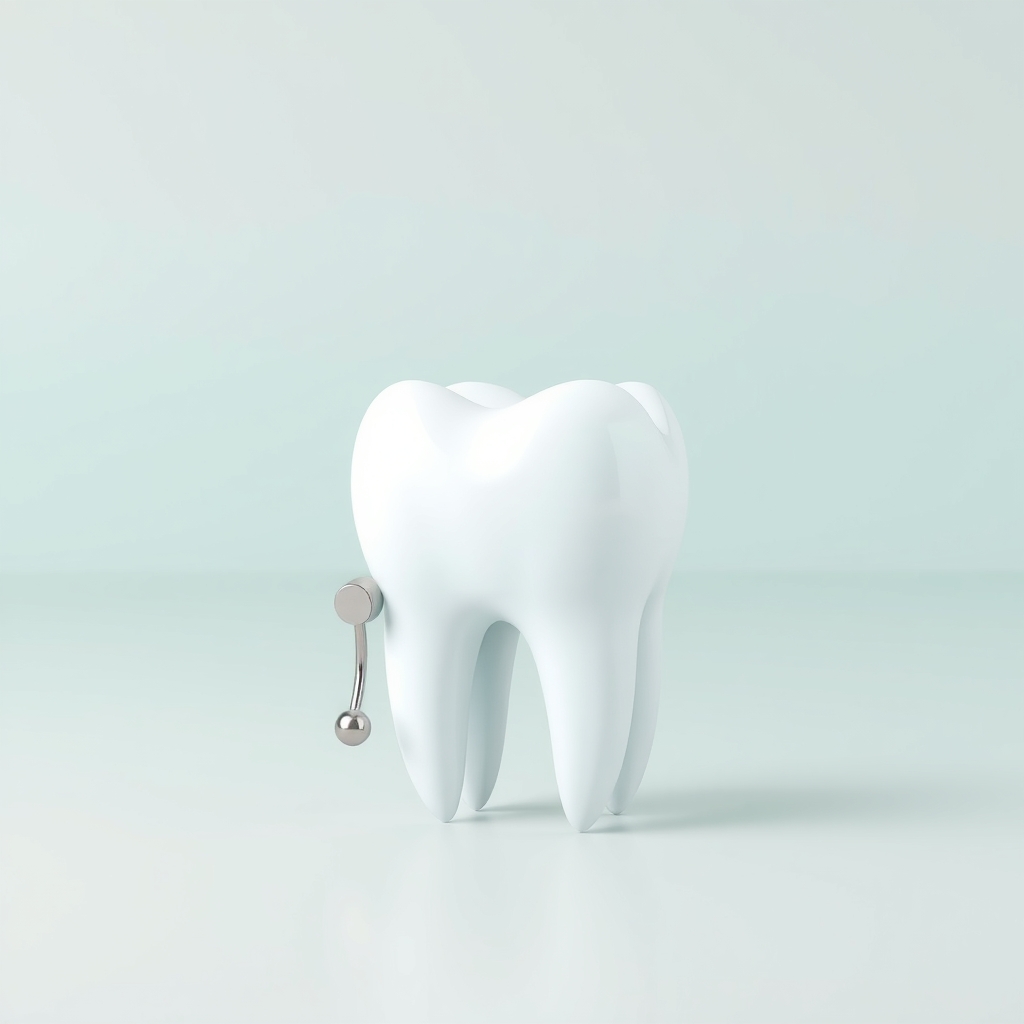
Tongue barbells and lip studs frequently knock against the front teeth or molars during talking, chewing, or sleeping. This repeated contact can cause small chips, cracks, or fractures in tooth enamel, which may later lead to sensitivity or the need for restorative treatment.
Gum Recession
Lip and cheek piercings, in particular, can rub against the gum line where the jewellery backing sits. Over months or years, this constant pressure can wear away gum tissue, exposing the tooth root. Receding gums cannot grow back on their own and may require treatment to protect the exposed area.
Infection and Swelling
The mouth carries a high bacterial load, which makes fresh piercing sites prone to infection. Signs include redness, pus, persistent bad taste, fever, or swelling that does not settle within a few days. Tongue piercings carry an added risk because swelling can affect the airway, so any breathing difficulty needs urgent medical care.
Nerve and Tissue Damage
A misplaced piercing can injure nerves in the tongue or lip, sometimes causing numbness, altered taste, or speech changes that may be temporary or, in rare cases, lasting.
Increased Risk of Gum Disease and Tooth Decay
Jewellery can trap food particles and plaque, making brushing and flossing harder around the piercing site. This raises the chance of gum inflammation and cavities near the area.
| Piercing Site | Main Dental Risks |
|---|---|
| Tongue | Chipped teeth, swelling, airway concerns, speech changes |
| Lip | Gum recession, tooth wear from repeated contact |
| Cheek | Infection, tissue irritation, jewellery contact with back teeth |
Safe Care Tips If You Have an Oral Piercing
- Choose jewellery with a smooth, well-fitted design and the correct length to reduce friction against teeth and gums.
- Rinse gently with an alcohol-free antibacterial mouth rinse after eating, especially during the first few weeks.
- Brush and floss carefully around the piercing site twice a day, and clean the jewellery itself as advised by your piercer.
- Avoid clicking, twisting, or biting the jewellery against your teeth, this is a common habit that leads to chips.
- Remove or replace the jewellery with a shorter barbell once initial swelling settles, this lowers the chance of long-term tooth and gum contact.
- Avoid oral piercings altogether if you grind your teeth, play contact sports without a mouthguard, or have existing gum disease.
- Schedule regular dental check-ups so early chips, recession, or decay can be caught before they become bigger problems.
When to See a Dentist
Book an appointment if you notice a chipped tooth, gum tenderness or pulling away from the tooth, persistent bad breath around the piercing, unusual swelling, or pain that does not improve. Early evaluation makes treatment simpler and helps protect your natural teeth and gums for the long term.
At Singal's Cosmodentz Dental Clinic, patients in Sector 10A, Gurugram can get a thorough check-up to assess any piercing-related wear, recession, or infection, along with practical advice suited to their individual case.
Have questions about your teeth?
Singal's Cosmodentz Dental Clinic · Sector 10A, Gurugram
Frequently asked questions
Can a tongue piercing chip my teeth immediately?
Not always right away, but repeated contact between the jewellery and teeth over weeks or months often causes small chips or cracks, especially on the biting edges of front teeth.
How long does swelling last after an oral piercing?
Tongue and lip swelling typically peaks in the first 2 to 3 days and improves over 1 to 2 weeks. If swelling worsens after day 3 or affects breathing, seek medical attention immediately.
Is it safe to keep a piercing if I already have gum recession?
If recession is visible, it is best to have a dentist assess the area. In many cases removing the jewellery or switching to a shorter barbell can help prevent further recession, but this should be decided case by case.
Can Singal's Cosmodentz treat damage caused by an oral piercing?
Yes, our dentists at Sector 10A, Gurugram can assess chipped teeth, gum recession, and infections related to piercings and recommend suitable treatment options.
Treatment costs mentioned on this page are indicative ranges for the Sector 10A, Gurugram region. Your exact cost depends on your case and will be confirmed after a clinical examination at the clinic.