TMJ (Jaw Joint) Disorder: Causes, Symptoms, and Treatment Options
If you feel pain near your ear, hear clicking when you open your mouth, or find your jaw getting stuck, you may be dealing with a TMJ disorder. This is one of the more common but overlooked issues we see in patients visiting our clinic in Sector 10A, Gurugram. The good news is that most cases can be managed without surgery once the cause is identified.
What is the TMJ and why does it cause problems
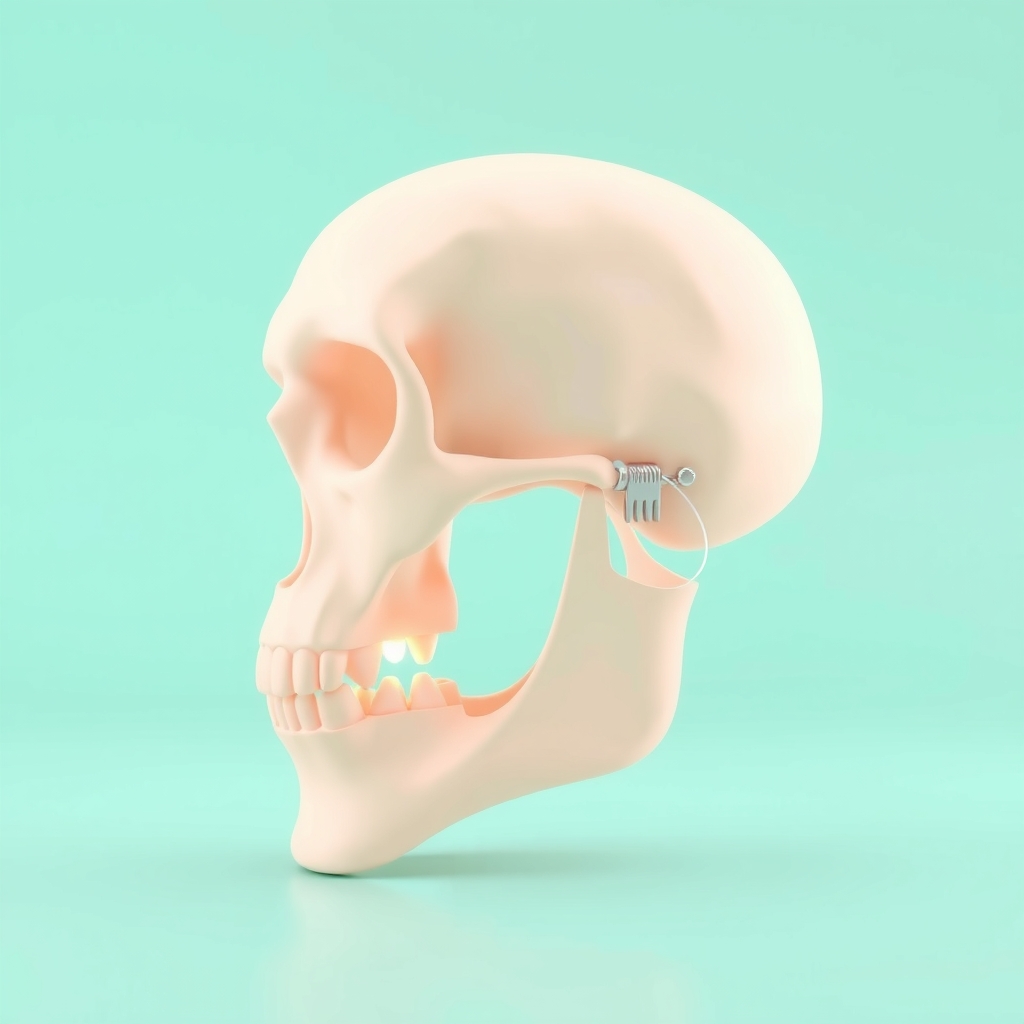
The temporomandibular joint (TMJ) connects your jawbone to your skull, right in front of your ears. You have one on each side, and they work together every time you chew, talk, or yawn. When this joint or the muscles around it are strained, inflamed, or misaligned, it leads to a condition commonly called TMJ disorder or TMD.
Common causes of TMJ disorder
- Teeth grinding or clenching (bruxism): Often happens during sleep or stressful periods and puts extra pressure on the joint.
- Stress: Leads to unconscious jaw tightening and muscle fatigue.
- Bad bite (malocclusion): Uneven teeth alignment can strain the joint over time.
- Jaw injury: A blow to the face or jaw can displace the joint disc.
- Arthritis: Wear and tear or inflammatory arthritis can affect the joint like any other in the body.
- Poor posture: Prolonged phone or laptop use with a forward head position can strain neck and jaw muscles together.
Symptoms to watch for
- Pain or tenderness near the jaw, ear, or temple area
- Clicking, popping, or grating sounds while chewing or opening the mouth
- Difficulty opening the mouth fully, or jaw locking in open or closed position
- Aching facial pain that worsens through the day
- Headaches, particularly around the temples
- Uneven bite or a feeling that upper and lower teeth suddenly do not fit together properly
When jaw pain or clicking needs a dentist
Occasional, painless clicking is common and does not always need treatment. However, you should book a dental check-up if you notice any of the following:
- Pain that lasts more than a week or keeps returning
- Jaw locking, even briefly
- Difficulty chewing or opening your mouth wide
- Clicking accompanied by pain or swelling
- Frequent headaches along with jaw discomfort
A dentist can examine your bite, joint movement, and muscle tenderness, and rule out other causes such as dental infections or wisdom tooth issues that sometimes mimic TMJ pain.
How TMJ disorder is diagnosed
Diagnosis usually starts with a clinical examination, checking how wide you can open your mouth, listening for joint sounds, and feeling for muscle tenderness. Your dentist may also review your bite alignment and ask about stress levels, grinding habits, and sleep. In select cases, an X-ray or scan may be recommended to assess the joint structure more closely.
Treatment options available
Conservative, first-line treatments
- Night guards or splints: Custom-made devices worn during sleep to reduce grinding pressure on the joint.
- Jaw exercises and physiotherapy: Gentle stretches to improve joint mobility and reduce muscle tightness.
- Warm compress and soft diet: Helps calm acute flare-ups.
- Pain relief medication: Short-term use of anti-inflammatory medicines as advised by your dentist.
- Stress management: Since clenching is often stress-related, relaxation techniques can meaningfully reduce symptoms.
Advanced treatments for persistent cases
- Bite correction: Adjusting uneven teeth contacts through minor reshaping or restorative work.
- Orthodontic treatment: If misaligned teeth are contributing to the problem.
- Joint injections: Considered in select cases under specialist guidance.
- Surgery: Rarely required, reserved for severe structural joint problems that do not respond to other treatments.
Typical treatment costs in Sector 10A, Gurugram
Costs vary depending on severity and the treatment plan chosen. Here is a typical range to help you plan, though your dentist will confirm exact costs after examination.
| Treatment | Typical Range (INR) |
|---|---|
| Consultation and examination | 500 to 1,000 |
| Custom night guard or splint | 3,000 to 8,000 |
| Physiotherapy session | 500 to 1,500 per session |
| Bite adjustment or minor restorative correction | 2,000 to 10,000 |
| Advanced imaging (if required) | 1,500 to 4,000 |
Simple habits that help protect your jaw
- Avoid chewing gum for long periods
- Cut food into smaller pieces to reduce wide jaw opening
- Practice relaxed jaw posture, keeping teeth slightly apart when not eating
- Manage stress through regular breaks and light stretching
- Maintain good posture, especially during screen time
TMJ disorder is manageable in most cases with timely attention. If jaw pain, clicking, or stiffness has been bothering you, getting it evaluated early can prevent the problem from becoming more complicated.
Have questions about your teeth?
Singal's Cosmodentz Dental Clinic · Sector 10A, Gurugram
Frequently asked questions
Is jaw clicking always a sign of TMJ disorder?
Not always. Many people have painless clicking that never worsens. Treatment is usually needed only when clicking comes with pain, locking, or difficulty chewing.
Can TMJ disorder go away on its own?
Mild cases caused by temporary stress or muscle strain often improve with rest, soft food, and self-care. Persistent or worsening symptoms need a dental evaluation.
Does TMJ treatment involve surgery?
Rarely. Most patients respond well to conservative treatments like night guards, physiotherapy, and medication. Surgery is considered only in severe, long-standing cases that do not respond to other care.
How long does TMJ treatment take to show results?
Many patients notice reduced pain within a few weeks of using a night guard or doing jaw exercises, though full improvement can take a few months depending on severity.
Treatment costs mentioned on this page are indicative ranges for the Sector 10A, Gurugram region. Your exact cost depends on your case and will be confirmed after a clinical examination at the clinic.