Common Causes of Tooth Discoloration and How to Prevent New Stains
If you have noticed your teeth looking yellower or duller than they used to, you are not alone. Tooth discoloration is one of the most common concerns we hear from patients visiting our clinic in Sector 10A, Gurugram. Understanding why it happens is the first step toward preventing it from getting worse.
Why Do Teeth Change Color?
Tooth discoloration generally falls into two categories: stains that sit on the outer surface of the tooth (extrinsic) and changes that happen within the tooth structure itself (intrinsic). Most people experience a mix of both over time.
Extrinsic Stains: What Builds Up on the Surface
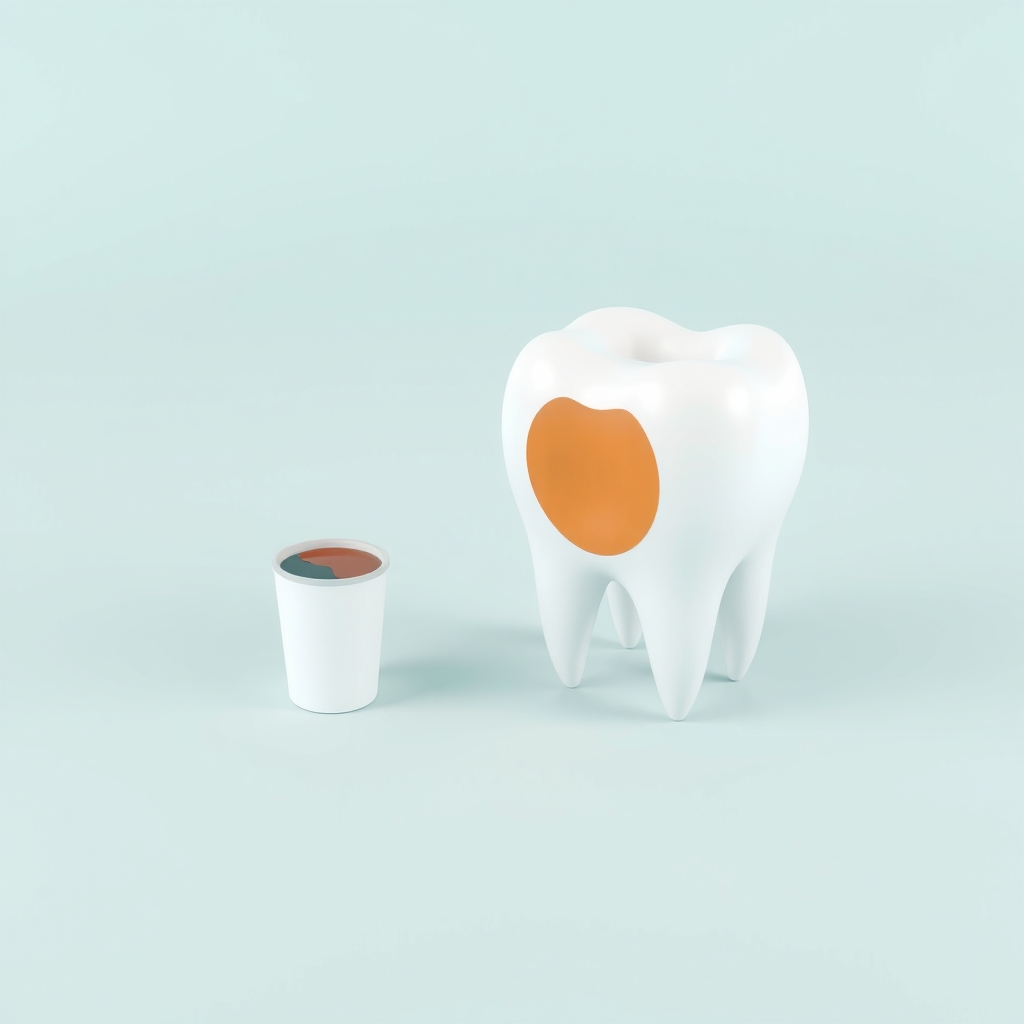
These stains form on the enamel, the hard outer layer of your tooth, and are usually caused by what we eat, drink, and other daily habits.
- Coffee and tea: Both contain tannins, which are compounds that cling easily to enamel and build up with repeated exposure.
- Red wine: Its deep color pigments, combined with its acidity, make it one of the more aggressive staining drinks.
- Tobacco: Smoking or chewing tobacco leaves behind tar and nicotine stains that are often yellow to brownish and can be stubborn to remove.
- Dark sauces and sodas: Curries, soy sauce, and colas also contribute to gradual surface staining, especially with frequent consumption.
- Poor oral hygiene: When plaque is not removed regularly, it can harden into tartar, which often appears yellow or brown and holds onto stains.
Intrinsic Changes: What Happens Inside the Tooth
Some discoloration has little to do with diet and more to do with biology.
- Aging: As enamel naturally thins with age, the yellowish dentin layer underneath becomes more visible, making teeth look darker.
- Genetics: Some people are simply born with thicker, whiter enamel while others have naturally more yellow-toned teeth.
- Certain medications: Some antibiotics taken during childhood, as well as certain long-term medications, can affect tooth color permanently.
- Trauma or injury: A tooth that has been knocked or injured can darken over time due to internal changes.
- Fluorosis: Excess fluoride exposure during childhood tooth development can cause white or brown spots on enamel.
Daily Habits to Prevent New Stains
While you cannot reverse genetic or age-related changes through home care alone, you can slow down and reduce new surface staining with consistent daily habits.
- Brush twice a day: Use a fluoride toothpaste and brush for a full two minutes, paying attention to the front surfaces of your teeth where stains show most.
- Rinse after staining foods or drinks: A quick water rinse after coffee, tea, or wine helps wash away pigments before they settle into enamel.
- Use a straw for dark beverages: This simple trick reduces how much liquid touches your front teeth.
- Floss daily: Flossing removes plaque between teeth that brushing alone misses, preventing it from hardening into tartar.
- Limit tobacco use: Cutting back or quitting tobacco products is one of the most effective ways to prevent new yellow and brown stains.
- Eat crunchy fruits and vegetables: Apples, carrots, and celery can help gently clean tooth surfaces between brushings.
- Keep up with professional cleanings: Routine scaling removes tartar and surface stains that home brushing cannot fully clear.
When to See a Dentist
If your teeth seem to be darkening despite good oral hygiene, or if discoloration is uneven, appears as spots, or is limited to just one tooth, it is worth getting checked. These patterns can sometimes point to an underlying issue such as old fillings, early decay, or nerve damage rather than simple surface staining.
At our clinic in Sector 10A, Gurugram, we start by examining the cause of discoloration before recommending any treatment. Sometimes a professional cleaning is enough to brighten your smile, while other cases may benefit from a discussion about whitening options down the line.
A Quick Comparison of Common Stain Sources
| Cause | Type of Stain | Prevention Tip |
|---|---|---|
| Coffee and tea | Extrinsic | Rinse with water after drinking |
| Red wine | Extrinsic | Use a straw, brush after a short wait |
| Tobacco | Extrinsic | Reduce or quit use |
| Aging | Intrinsic | Regular dental checkups |
| Poor hygiene | Extrinsic | Brush and floss daily |
Small daily changes can make a real difference in how your smile looks over time. Being mindful of what you consume and keeping up with your oral care routine goes a long way toward keeping stains at bay.
Have questions about your teeth?
Singal's Cosmodentz Dental Clinic · Sector 10A, Gurugram
Frequently asked questions
Can tooth discoloration be reversed without whitening?
Surface stains from food and drink can often be reduced with better brushing habits and professional cleaning, but deeper or age-related discoloration usually needs a whitening treatment to see real change.
Is yellow teeth always a sign of poor hygiene?
Not always. Genetics, aging, and certain medications can cause yellowing even with good brushing habits, though hygiene does play a major role in surface stains.
How often should I get a professional cleaning to control stains?
Most adults benefit from a professional cleaning every six months, though people who drink a lot of tea, coffee, or smoke may need more frequent visits.
Does drinking through a straw actually help prevent stains?
Yes, using a straw for dark beverages like coffee, tea, or cola reduces the liquid's contact with your front teeth and can noticeably cut down on new staining.
Treatment costs mentioned on this page are indicative ranges for the Sector 10A, Gurugram region. Your exact cost depends on your case and will be confirmed after a clinical examination at the clinic.